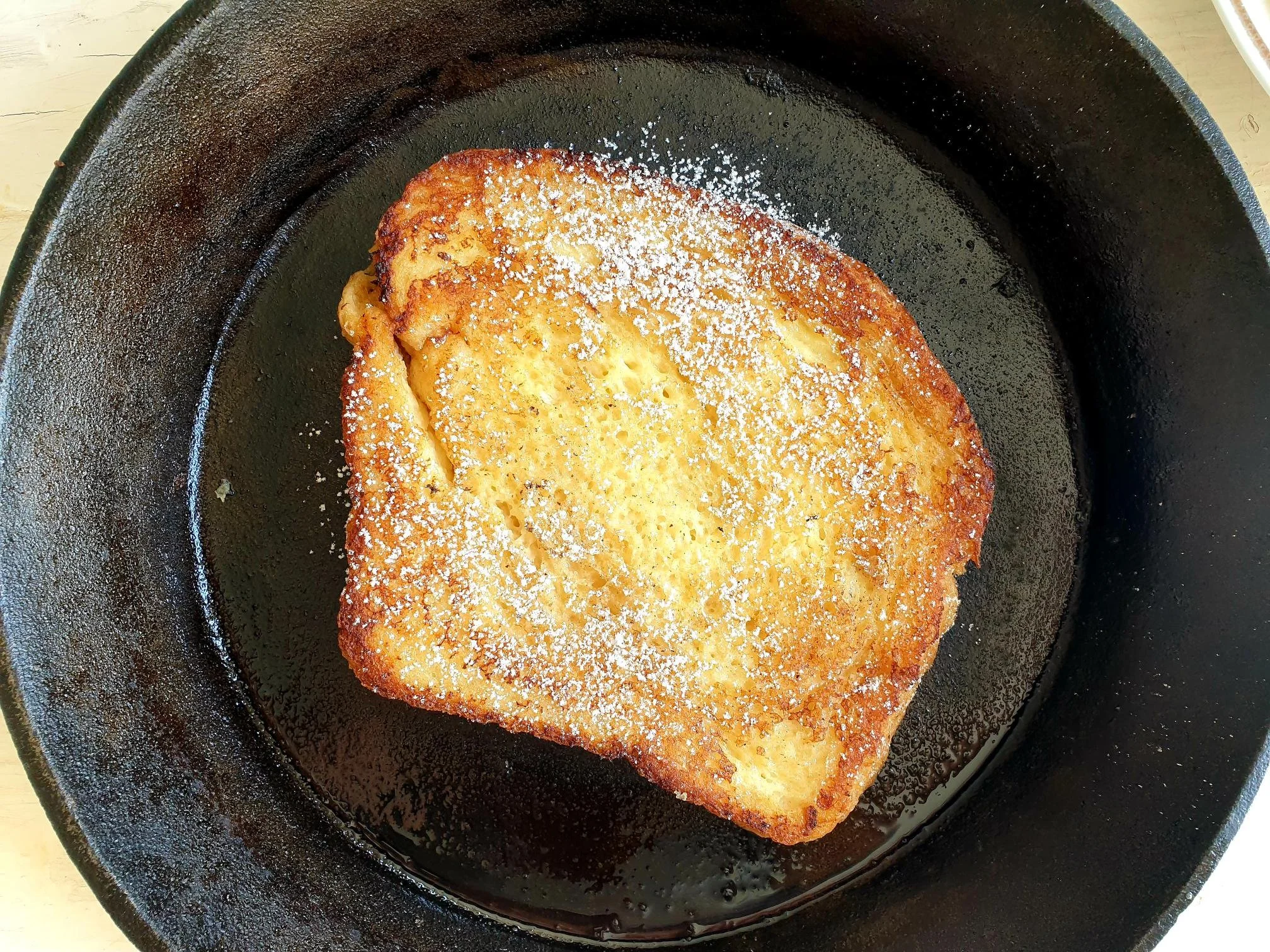
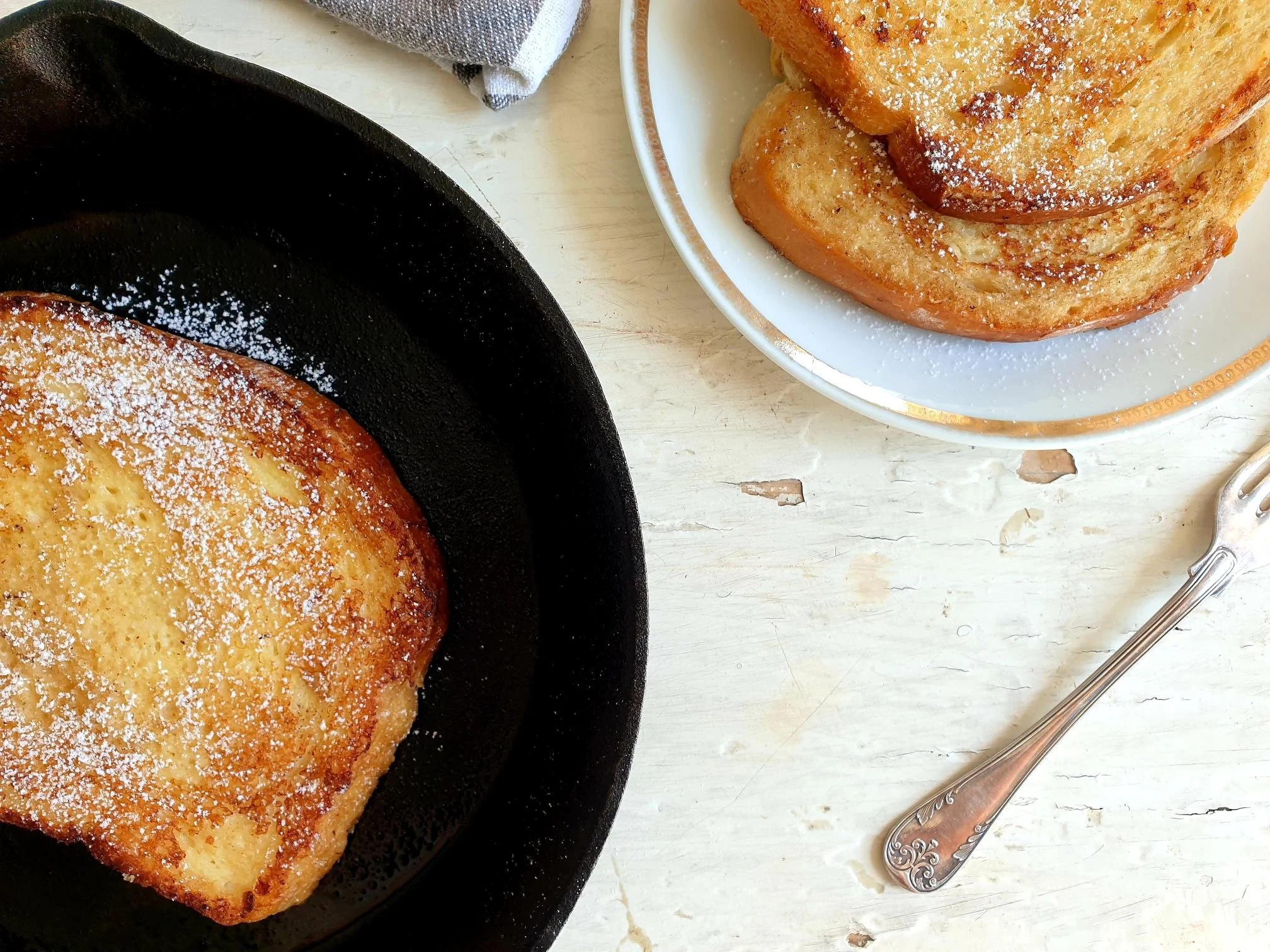
Šnite, French Toast Style Slovenian Recipe
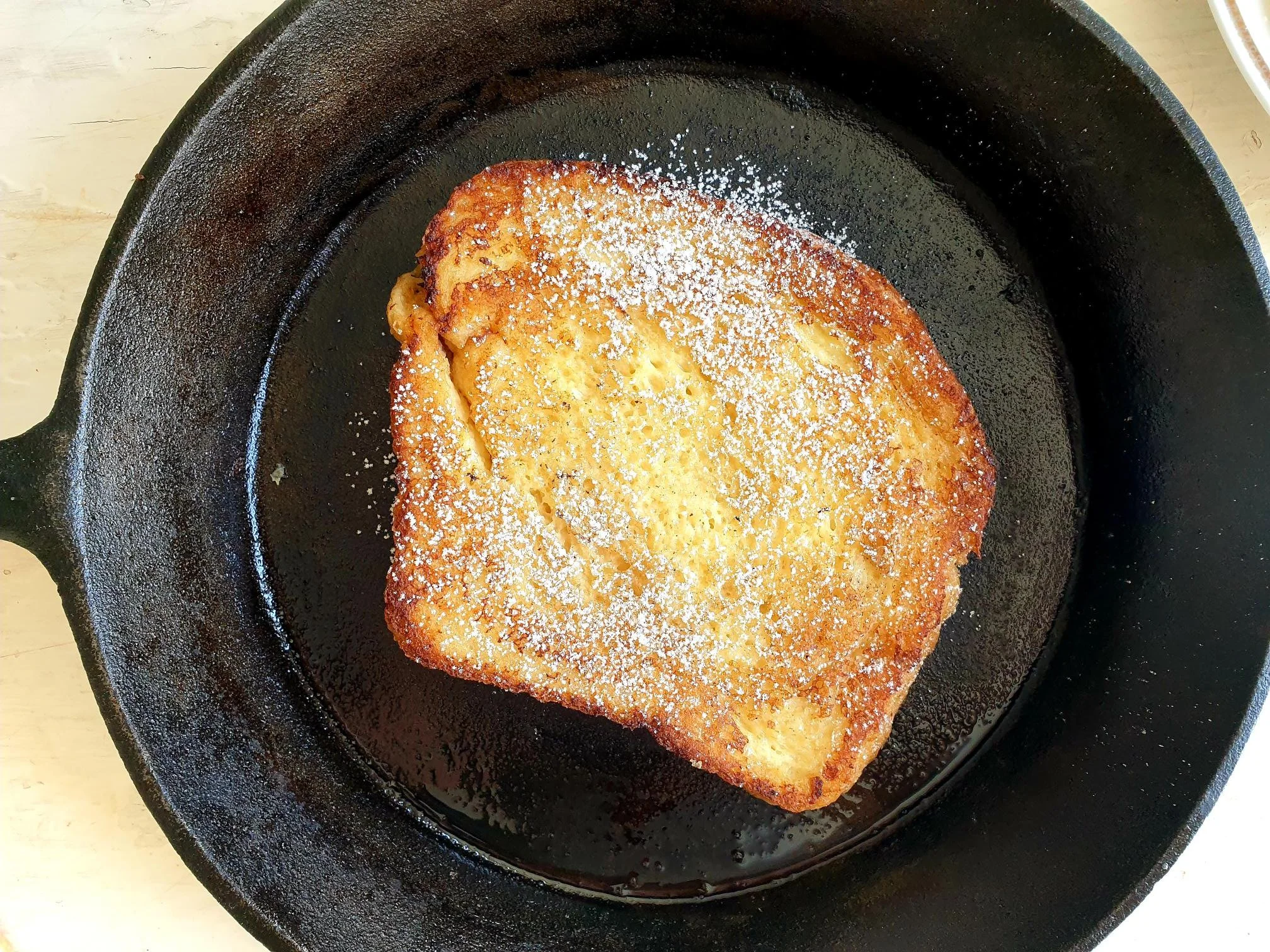
Šnite is a traditional Slovenian sweet treat or budget-friendly breakfast, similar to what is known as French toast. This recipe is very easy and simple to make, and a great way to use leftover bread. It is delicious and very comforting.
The idea behind it is that slices of stale bread are dipped into a sweet egg and milk mixture and then pan-fried in a bit of melted butter until golden in colour and crispy, then topped with a simple dusting of vanilla flavoured icing sugar.
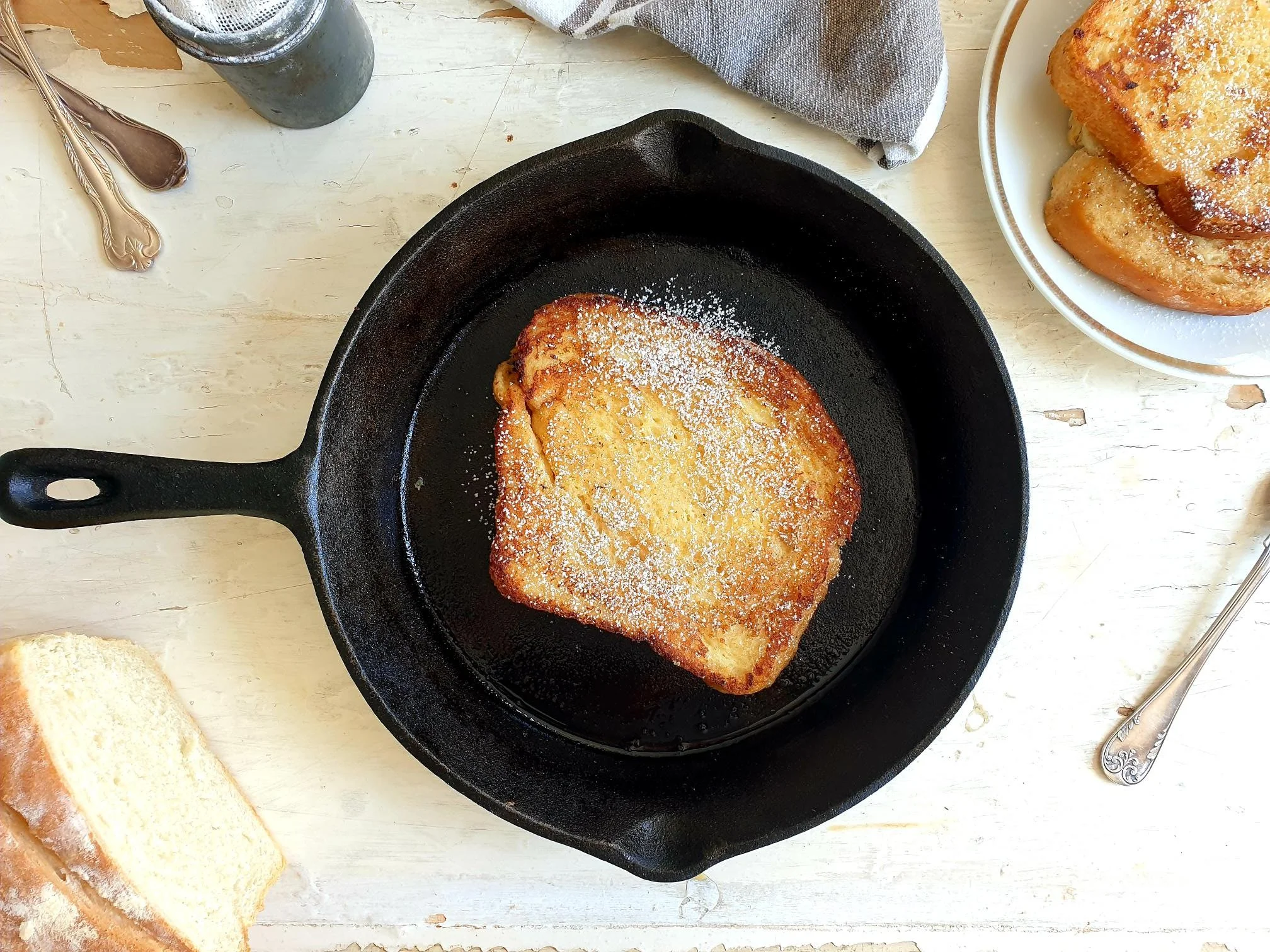
This French toast style recipe seems modern, especially when served with fresh fruit and drizzled with honey or maple syrup. However, there is nothing modern about it, the origin of the dish goes back to the Roman times and carried its success to the Middle Ages when bread was scarce and far too precious to be waste.
This much-loved dish has been given different names, but the common idea is to rescue bread that's past its best. In fact, in France, this dish is called Pain perdu, meaning, "the lost loaf of bread", and there is a German version of Arme Ritter, which translates to "poor knights."
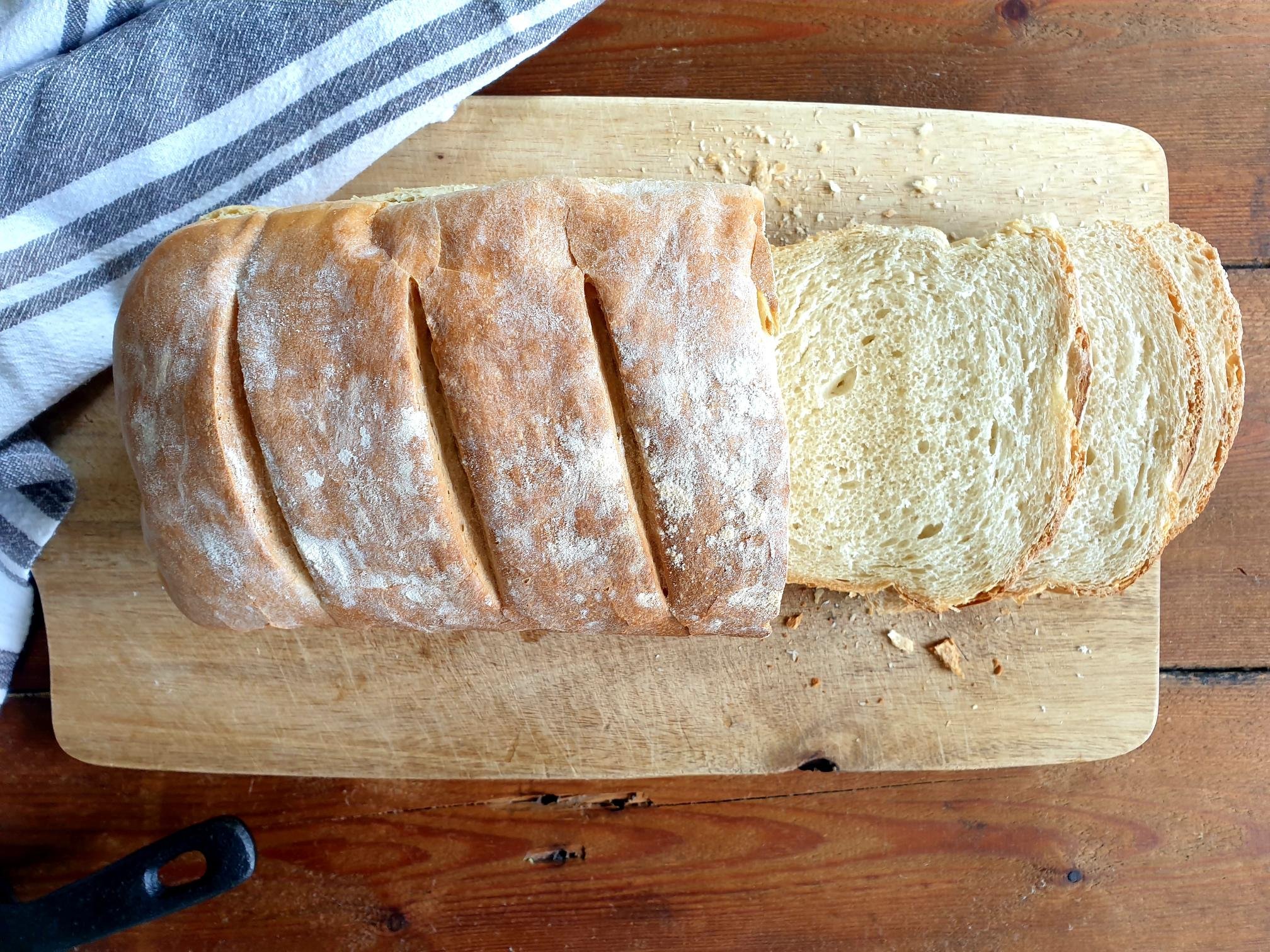
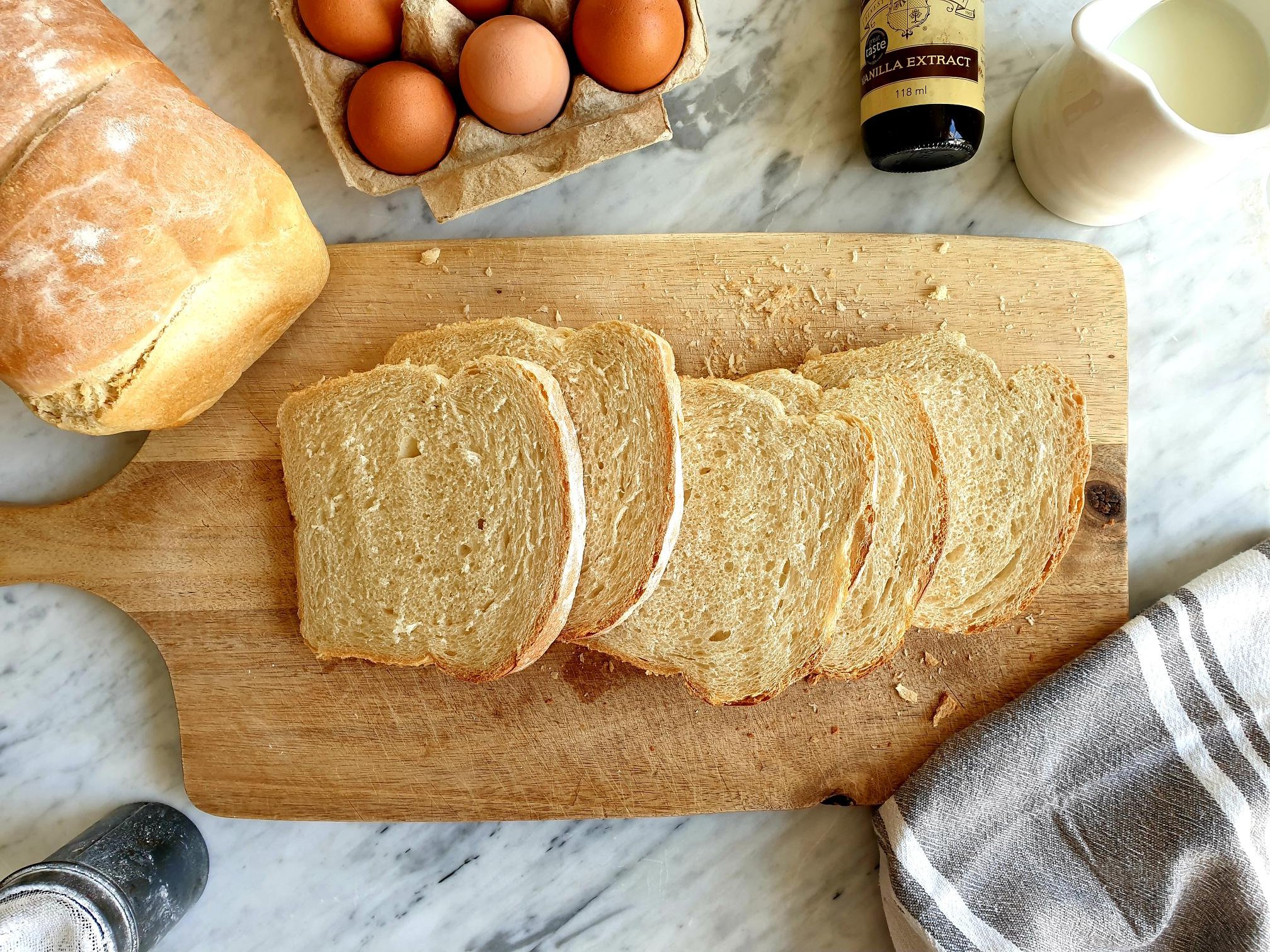
The success of this dish is making sure that the bread is at least two or three days old; fresh bread absorbs too much of the egg mixture, and it becomes very soft, soggy and starts falling apart.
In Slovenia this sweet treat is known as ocvrti kruh, most commonly called kruhove rezine or pohane šnite; however, most Slovenian households would refer to this dish simply as šnite, word of German origin, meaning a "slice."
I am sharing here my maternal grandmother's recipe, that is very close to my heart, so you can try and make this authentic Slovenian šnite at home.
Recipe
Ingredients
4-6 thick slices of stale bread (at least 2-3 days old)
200 ml milk (semi-skimmed or whole)
2 eggs
1 Tsp vanilla extract
icing sugar or vanilla flavoured icing sugar, for dusting
butter, for frying
Method
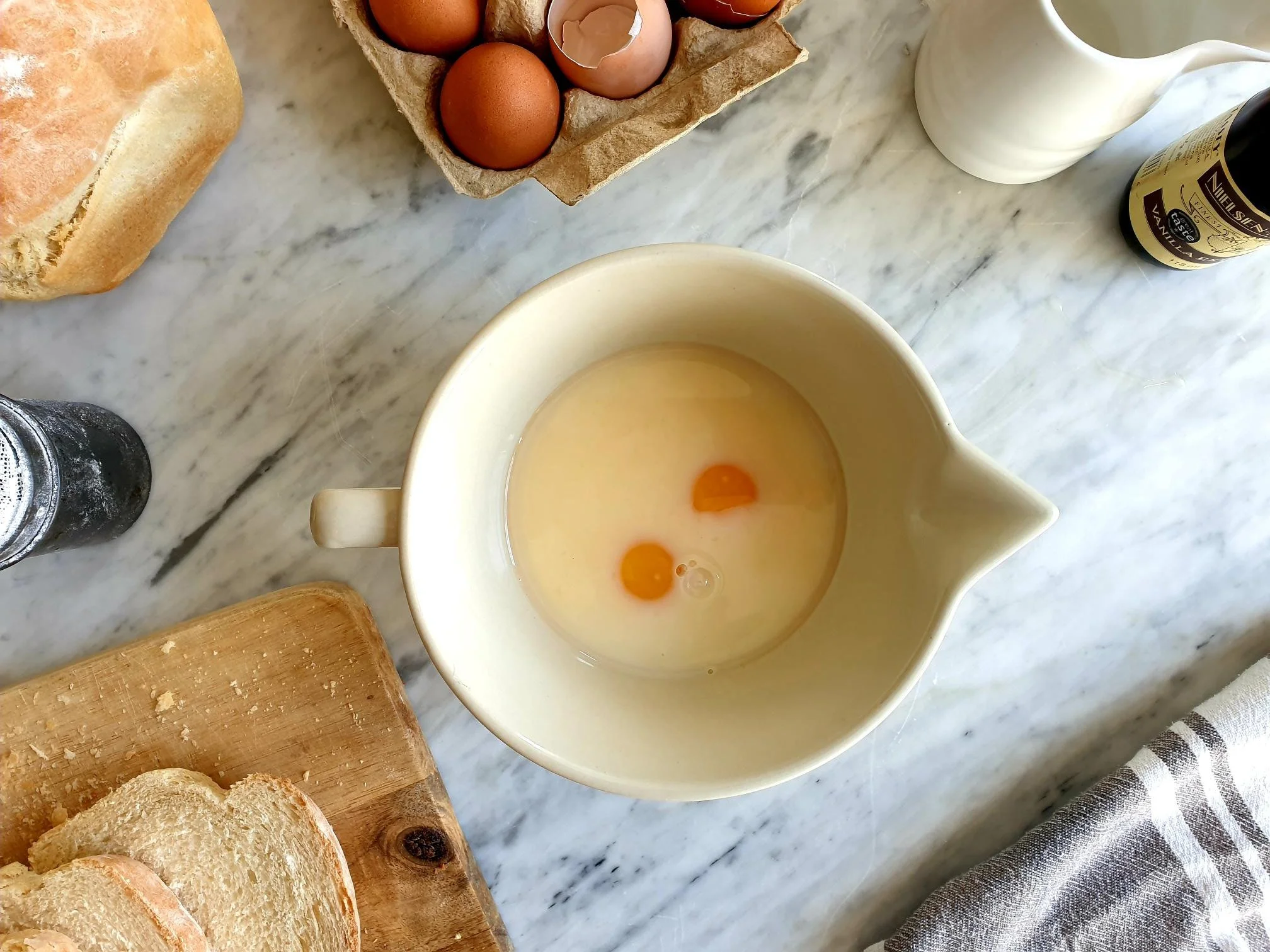
Put the eggs, milk, and vanilla extract into a bowl or a jar and whisk together.
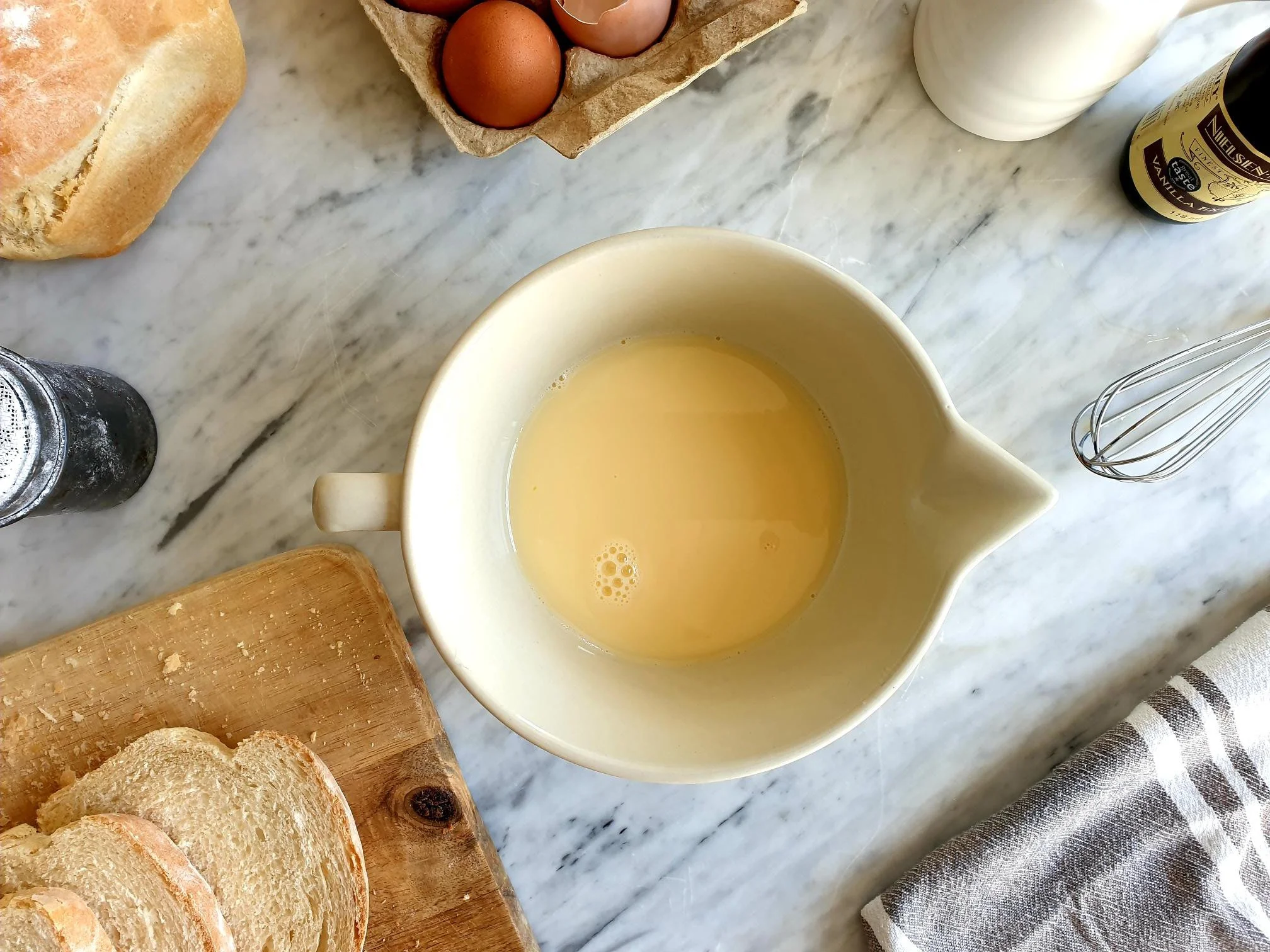
Pour the egg mixture into a shallow dish or a plate.Dip the bread slices into the mixture until saturated on both sides. Make sure you don't leave them soaking for too long as they will become soggy and fall apart.
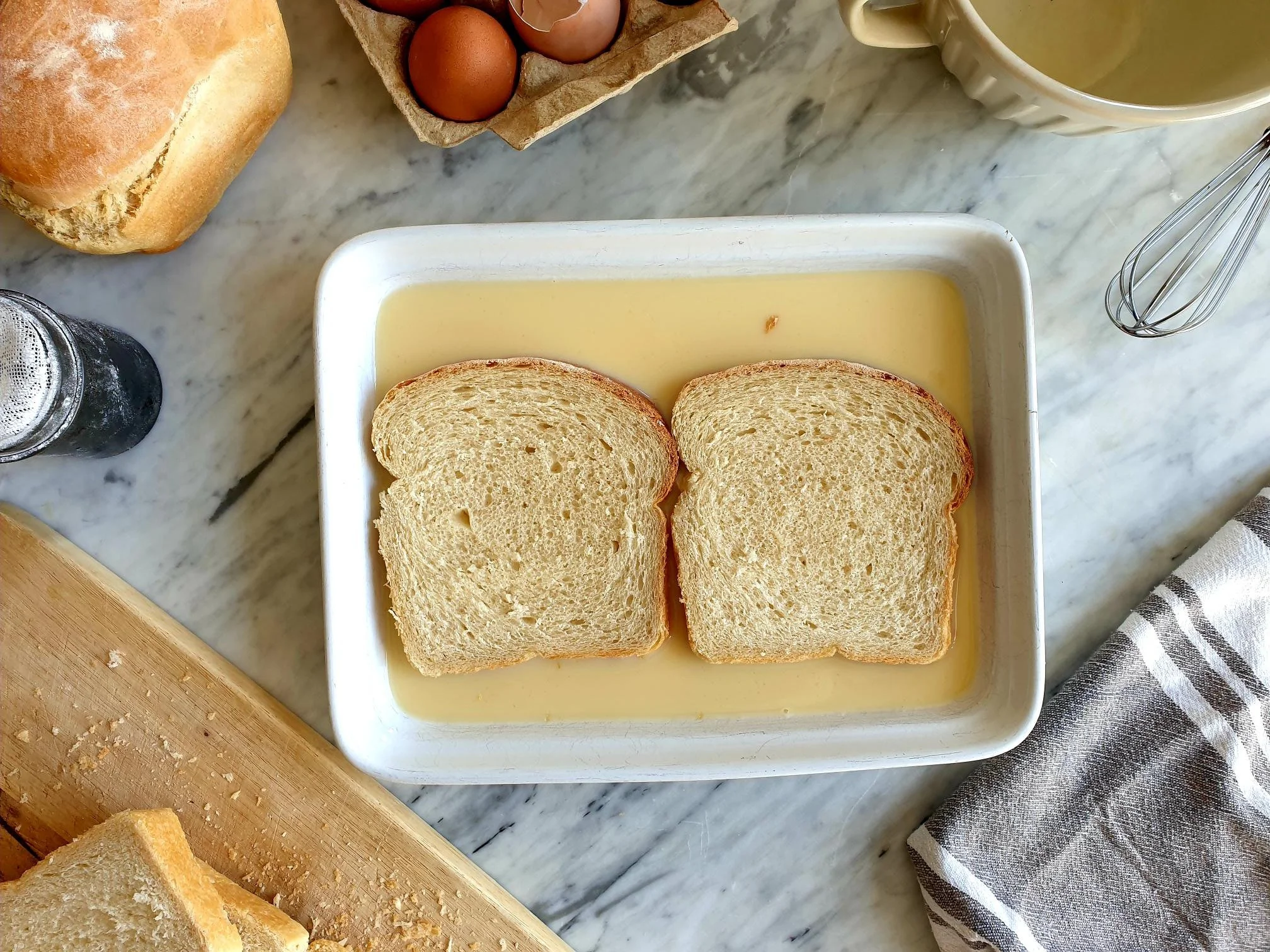
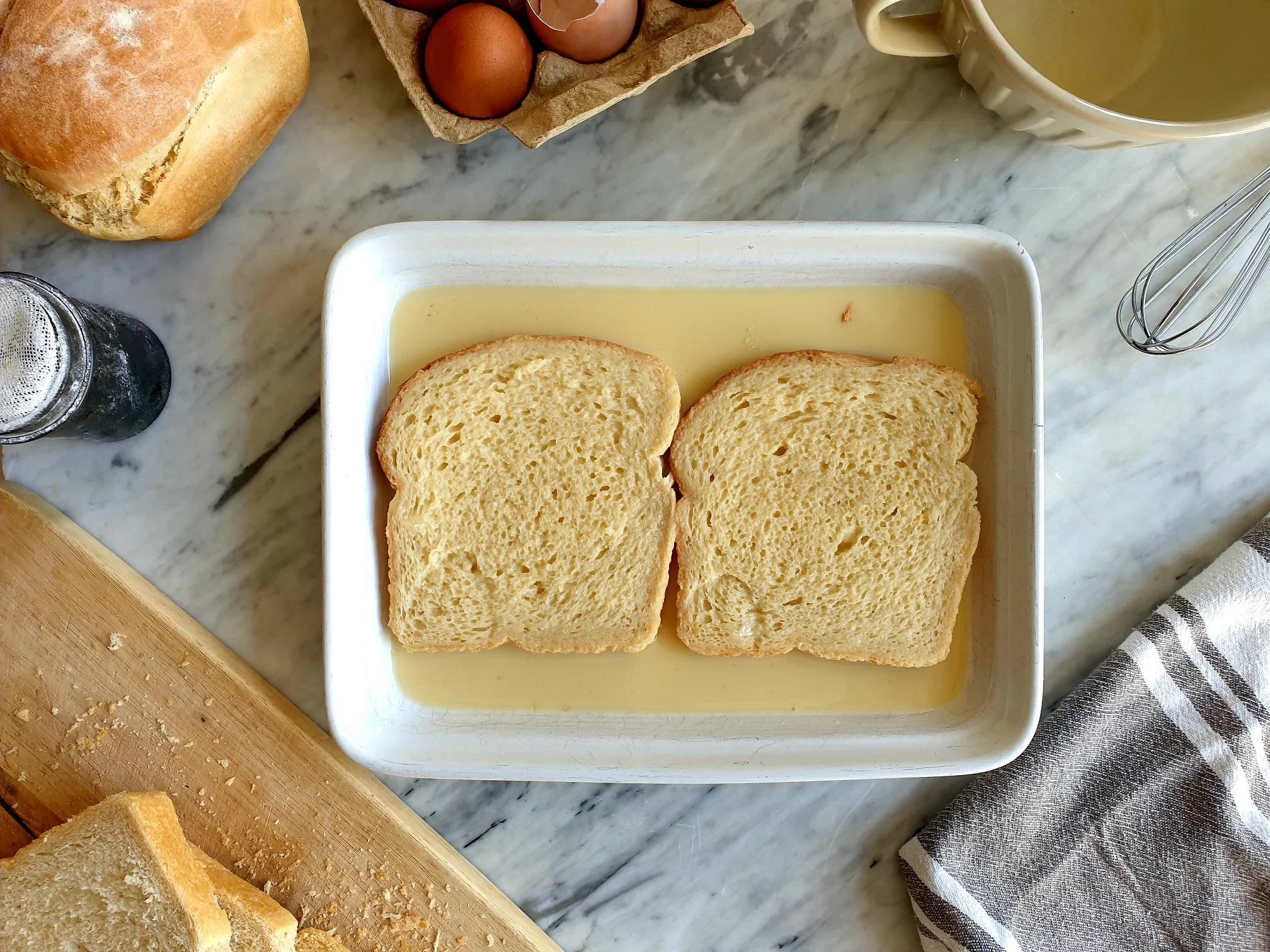
Heat a large frying pan over medium heat, add a knob of butter and let it melt completely.Cook the slices on each side until golden and crisp. It should take about 2 minutes per side.
The inside should stay soft and custurdy.
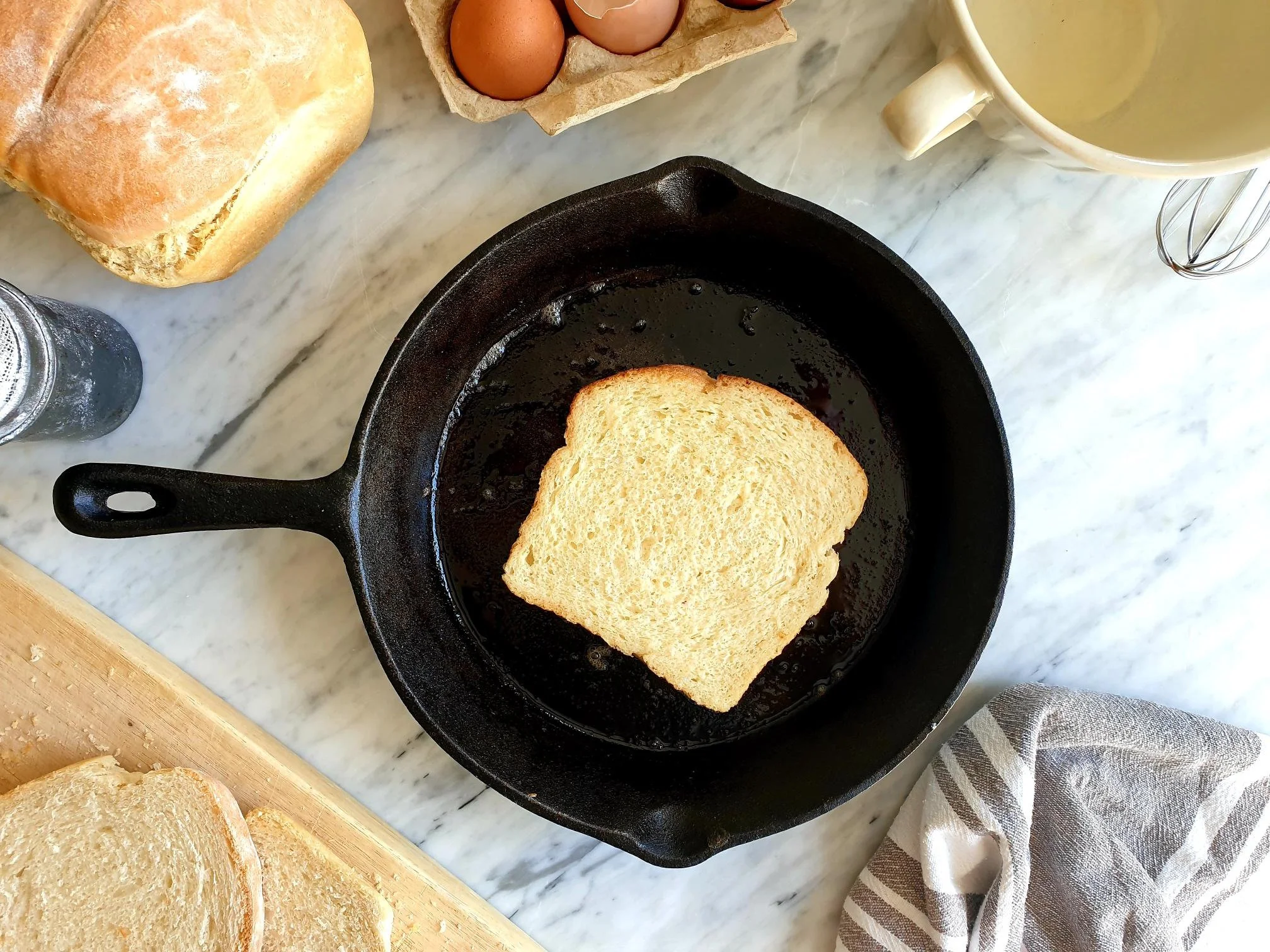
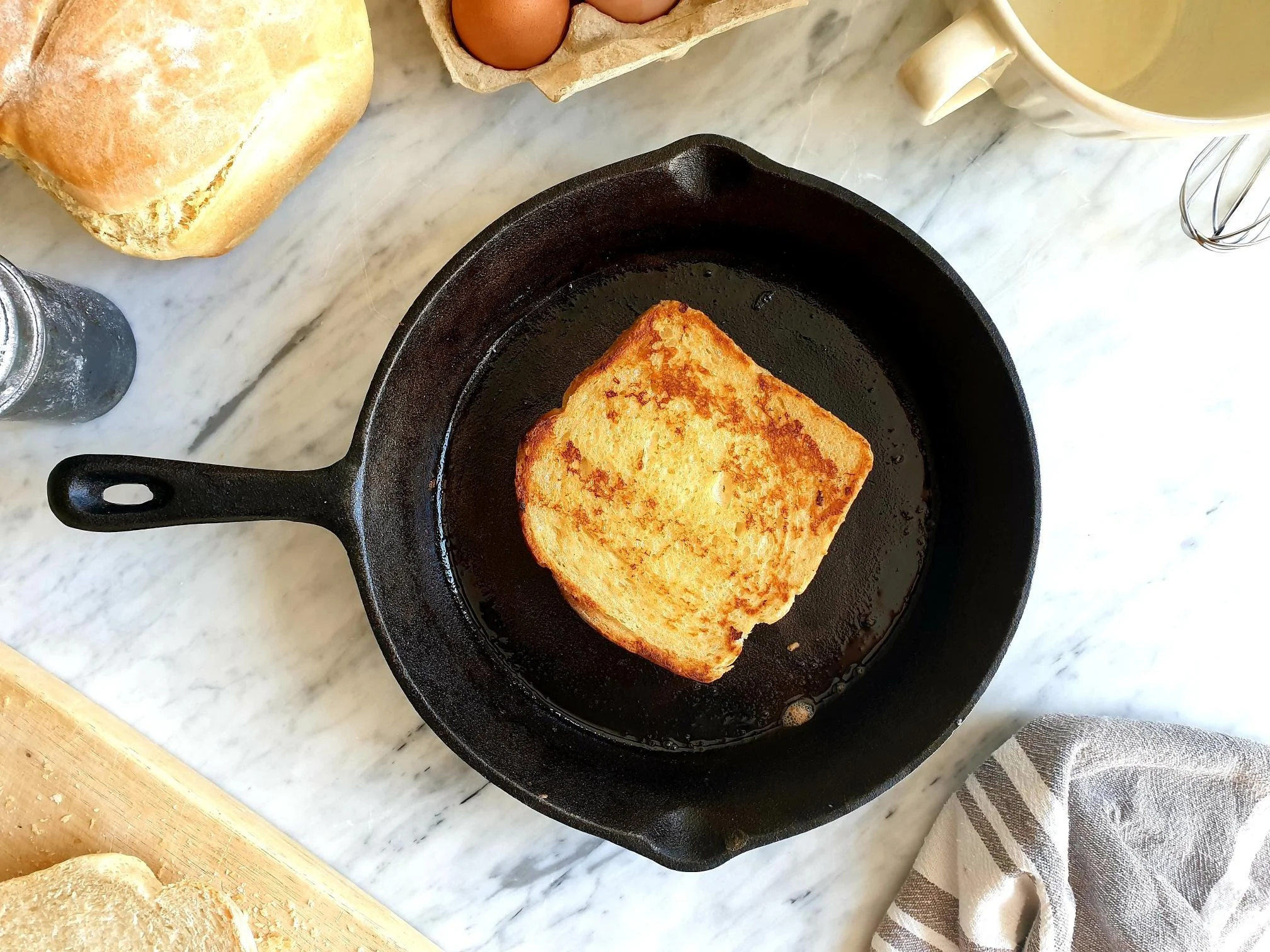
Plate the šnite and dust with icing sugar, serve and enjoy warm.