Beans and Sardines

  • Home
  • About
  • Recipe of the week
  • Recipes
  • Wines
  • Contact

Bigoli – Hand Rolled Thick Spaghetti Pasta (Istrian Recipe)

Beans and Sardines
January 29, 2026 by tina oblak in Adriatic Recipe, All year round recipe, child friendly dish, child friendly meal, comfort, dinner, Easy recipe, Egg based pasta, family friendly dish, family friendly meal, first course, first course dish, first course meal, Fresh pasta, healthy mael, hearty dish, Istrian cuisine, Istrian dish, Istrian food, Istrian gastronomy, main course, main dish, no egg fresh pasta, Pasta, recipe from Northern Ital, Rustic dish, simple recipe, Slovenian cuisine, Slovenian food, Slovenian gastronomy, Venetian dish, weekend

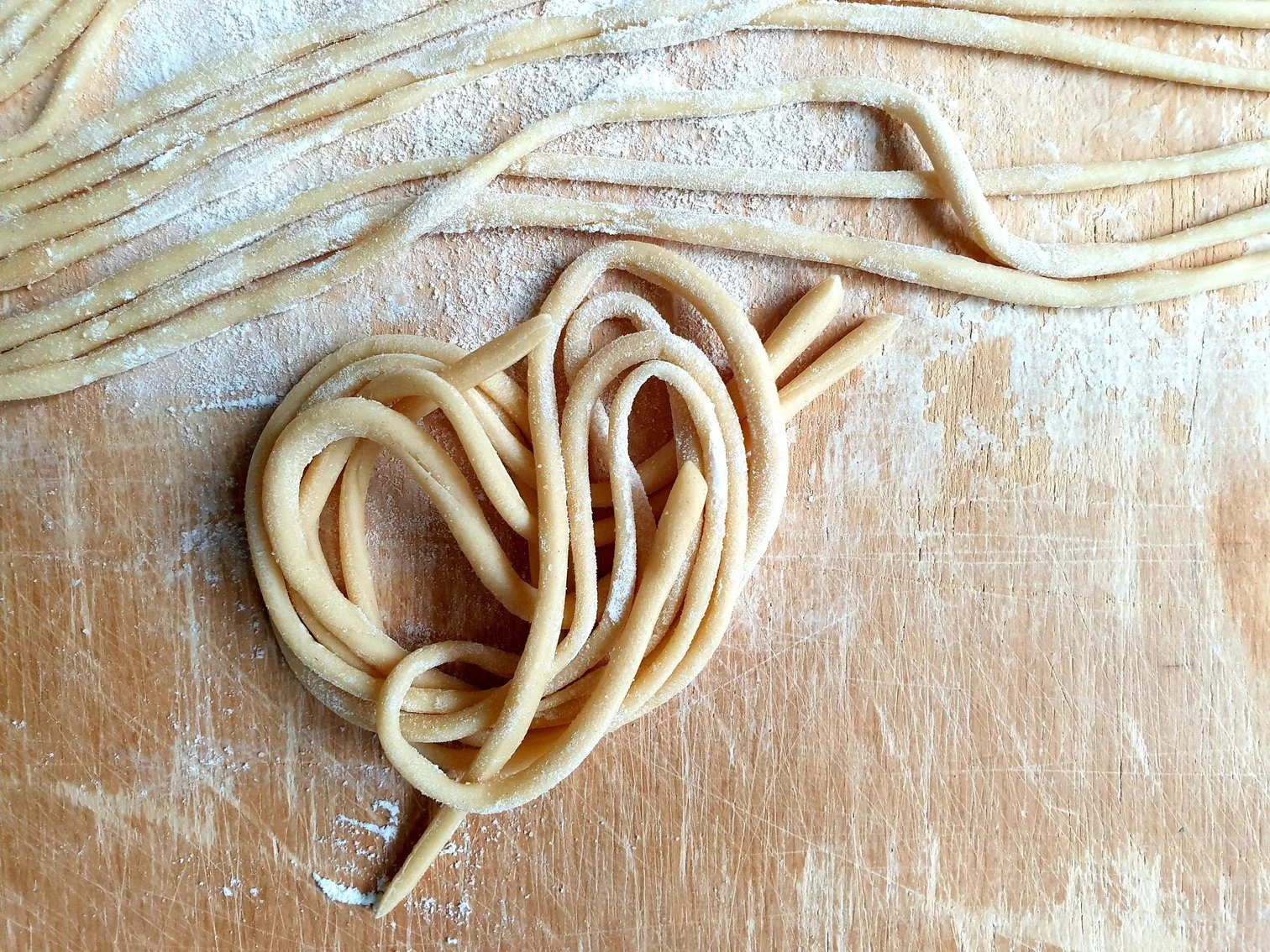
Bigoli is a traditional type of pasta originating from the Veneto region of Northern Italy. It is long and thick with a rustic appearance resembling coarse spaghetti.

This simple pasta represents real homemade rustic cooking.

If you have never made fresh pasta before, this is a great beginner shape, it is great fun to make and feels like child's play. It is like shaping Play-Dough strands into worms.

This speciality pasta shape from Veneto dates back to the Venetian Republic. It has a rough and porous texture which helps to catch and hold the sauce beautifully. Bigoli were initially made with buckwheat flour (but now whole-wheat flour is the most common choice), water, and sometimes duck eggs.
A special pasta machine called a bigolaro has been used. A bigolaro is a sort of hand operated cylindrical press in which the pasta dough was placed and forced through the holes producing bigoli pasta.

This type of pasta used to be very popular along the coast of Slovene Istria, as this part of land was once ruled by the Venetian Republic, which strongly influenced and shaped the local food culture.

The dough for the pasta was made with regular plain flour instead of whole wheat, less eggs were used, or none at all, and it was rolled by hand, one by one, like Tuscan pici pasta, without the use of the press.

As this regional pasta is a bit hard to find outside Veneto region, I strongly suggest you try to make it at home, it is definitely cheaper than a trip to Italy.
Recipe

Ingredients

Serves 4

  • 300g plain white (all purpose) flour

  • 1 egg (weigh the cracked egg in a small bowl and add enough lukewarm water to obtain a total weight of 150ml). For example, I used 1 small egg weighing 60g so I added 90ml of water.

  • lukewarm water, as needed

  • 1 Tsp of olive oil

  • a pinch of sea salt

  • semolina, optional

Method

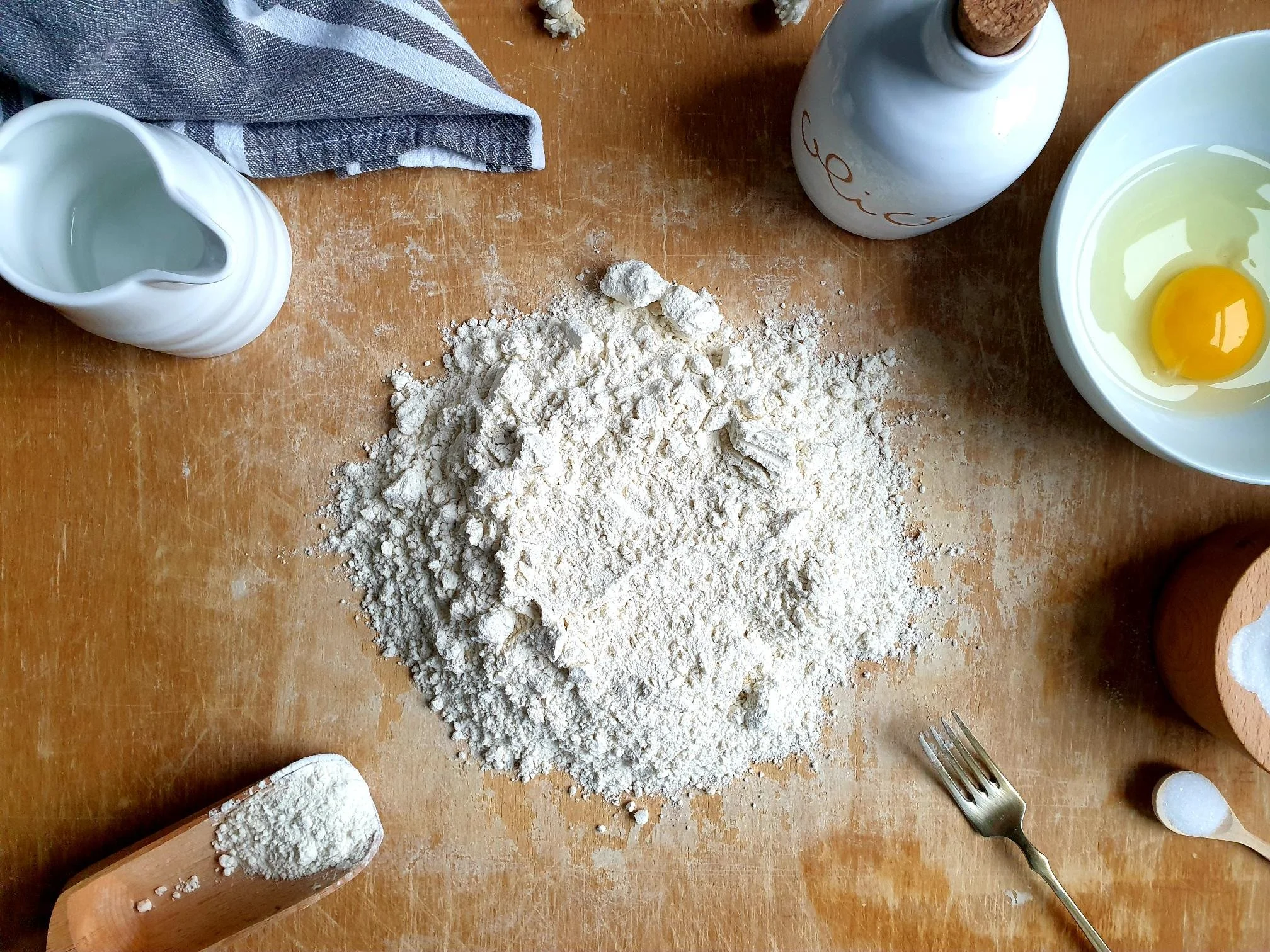
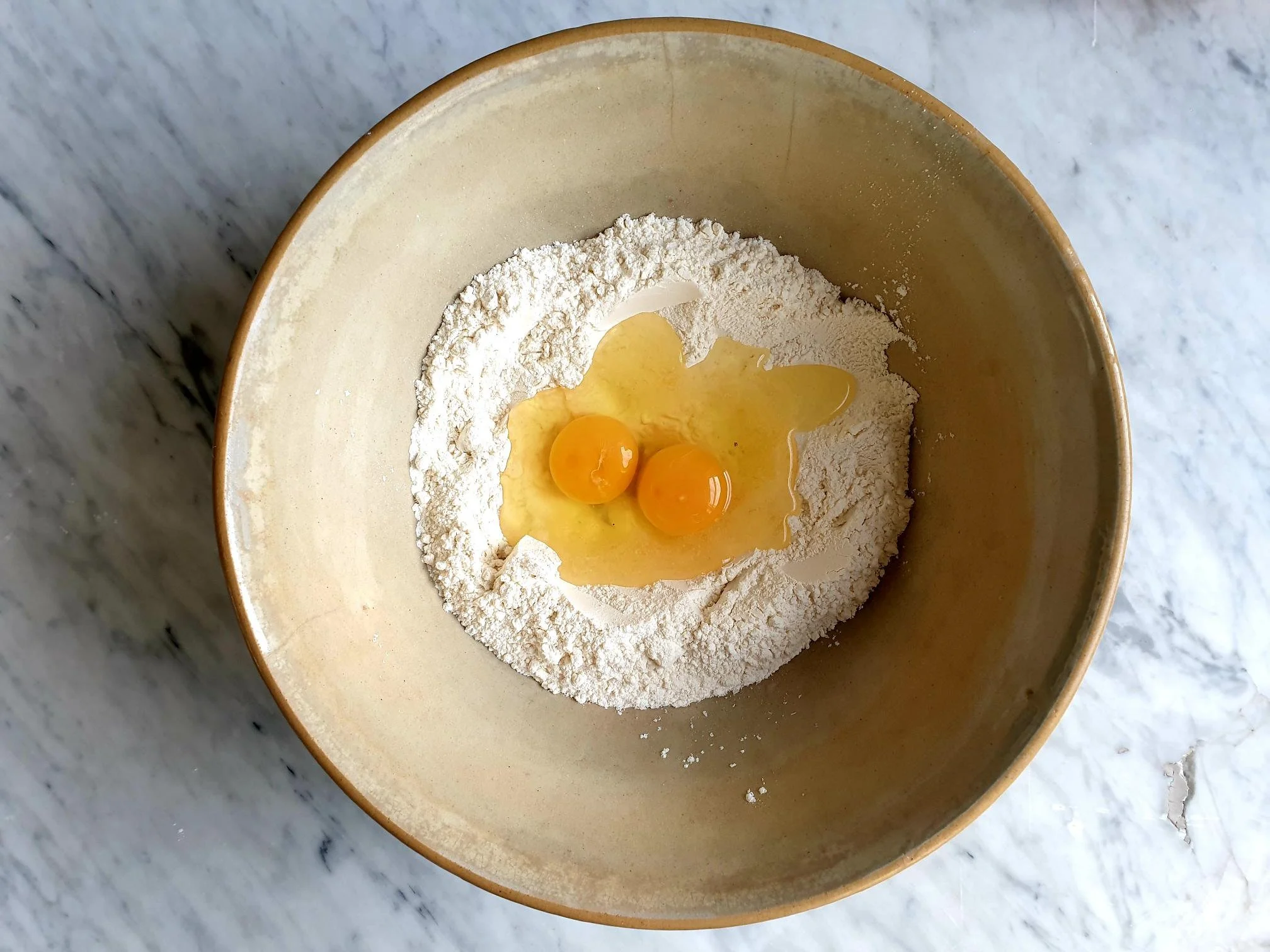
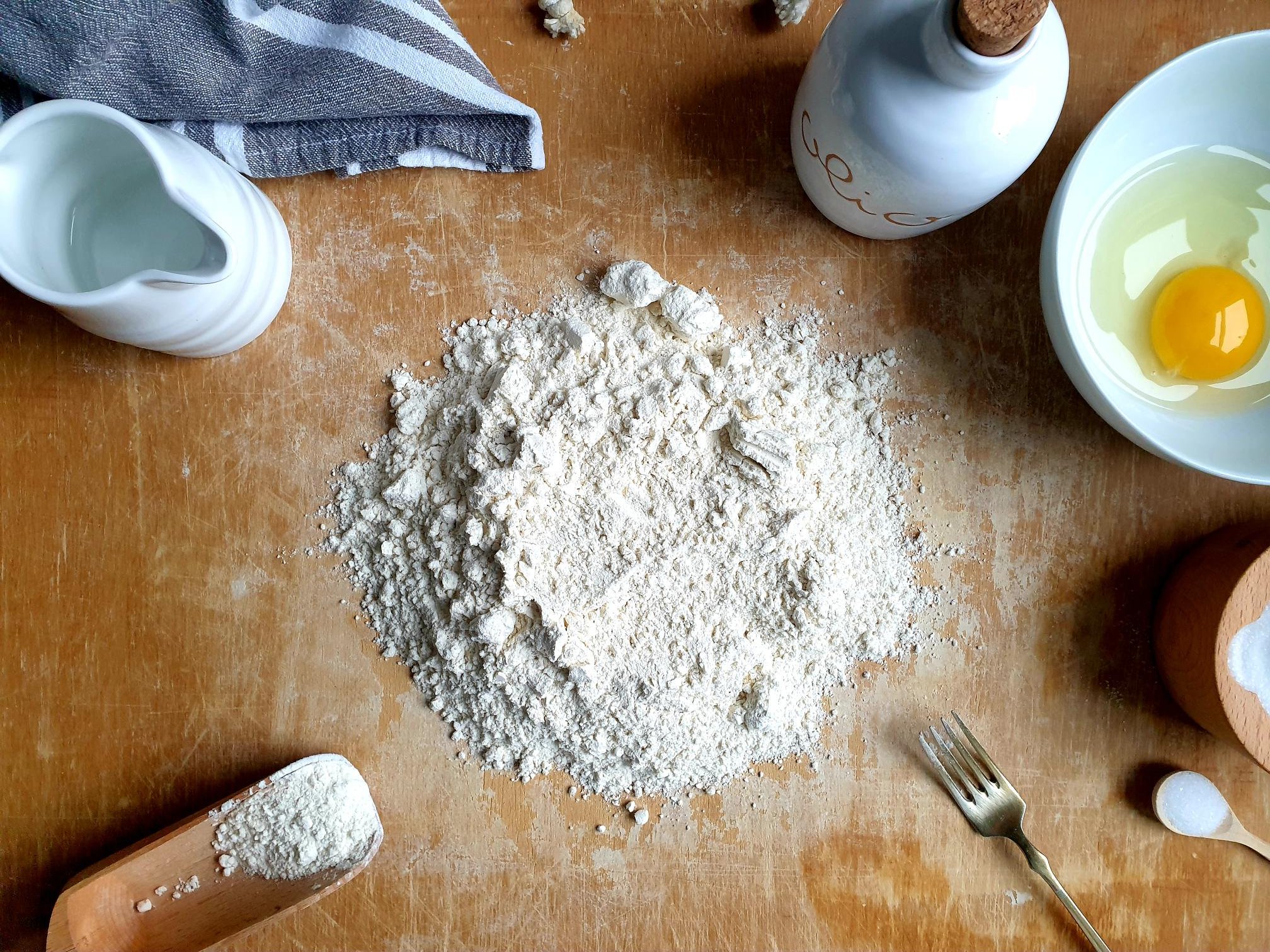
Place the flour in a mixing bowl or form it into a mound directly on a clean working surface or a wooden pasta board (if you have one).

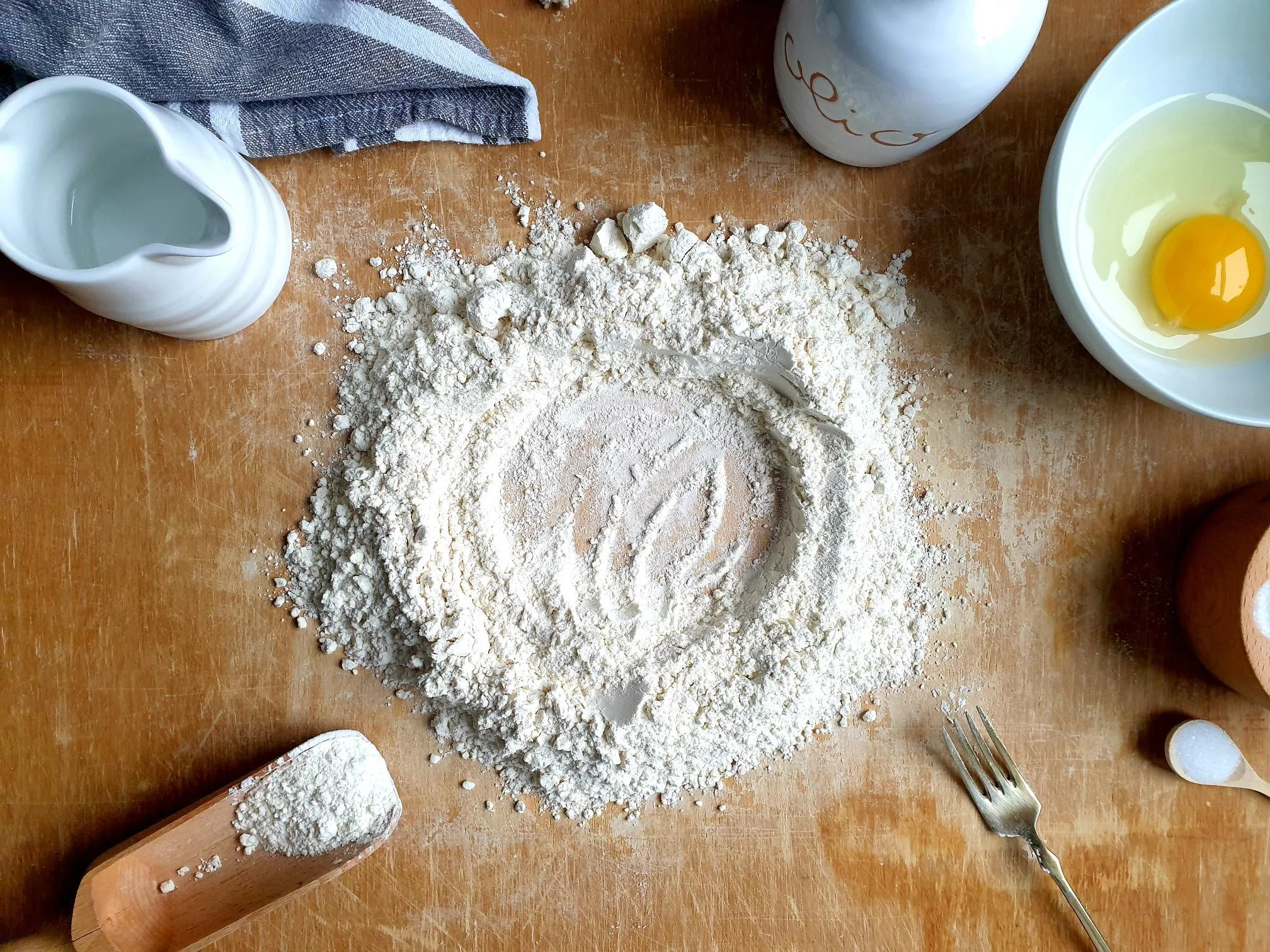
Make a well in the centre of the flour.
View fullsize Bigoli Pasta 1.jpg
View fullsize Bigoli Pasta 2.jpg

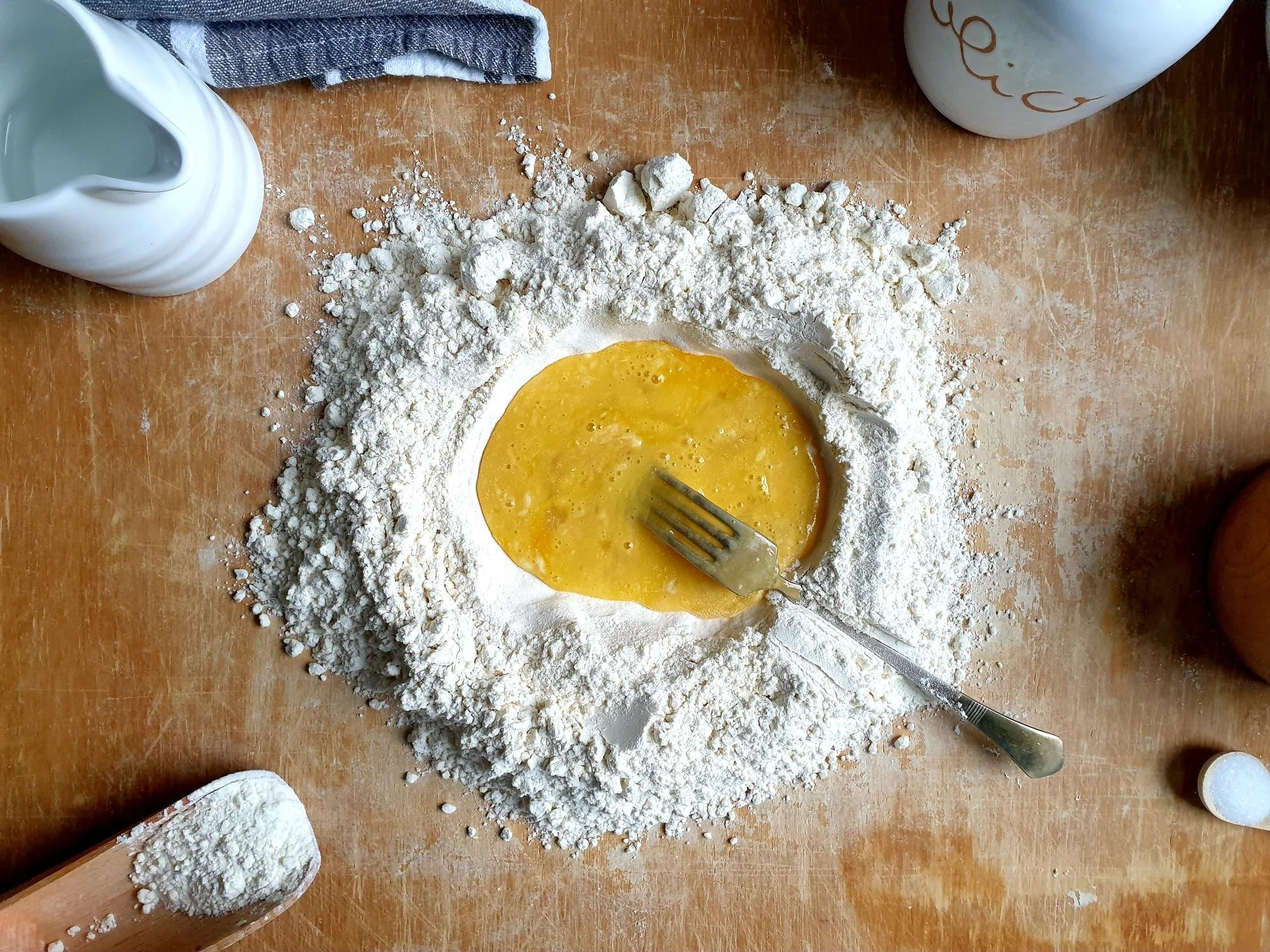
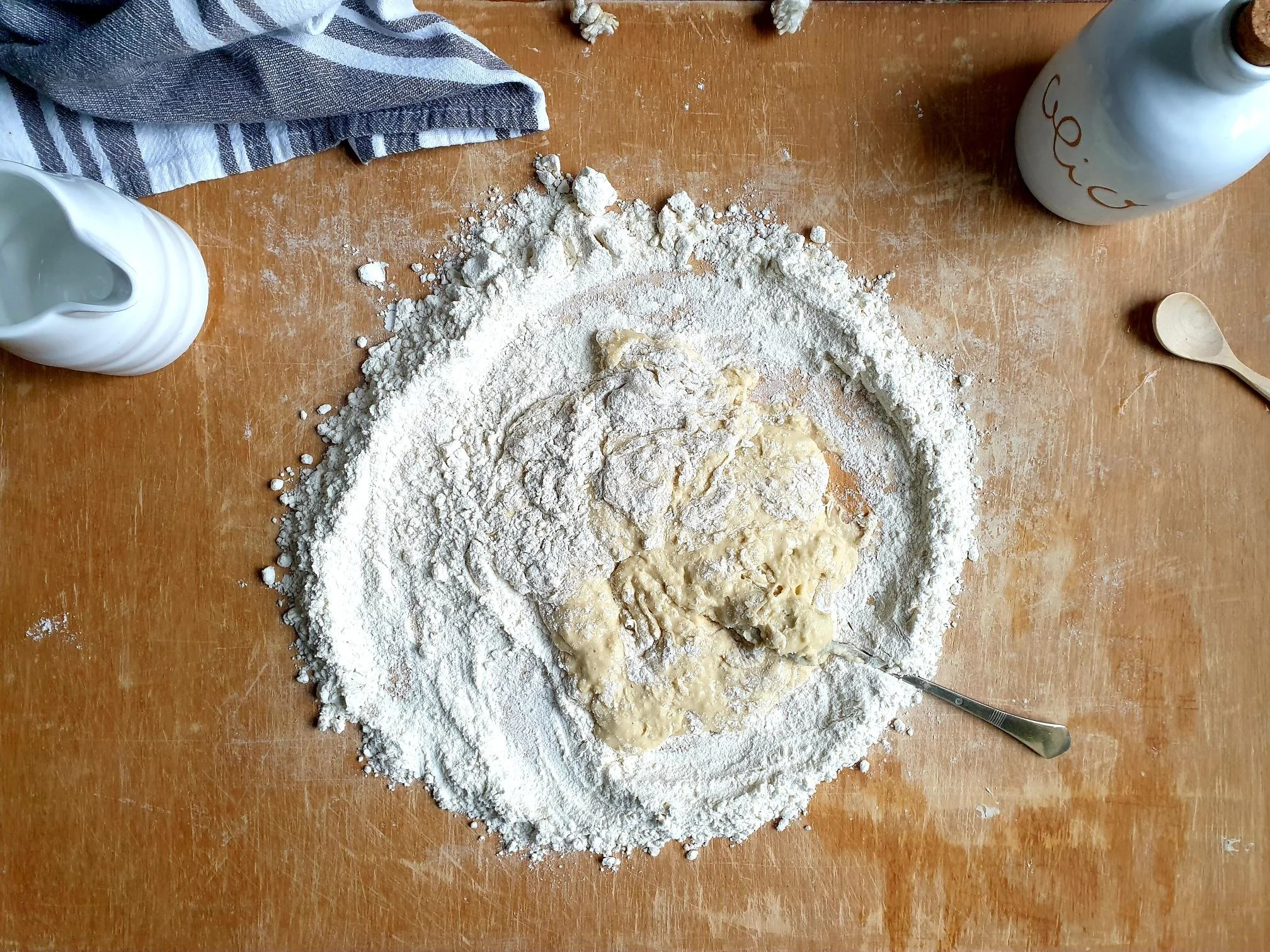
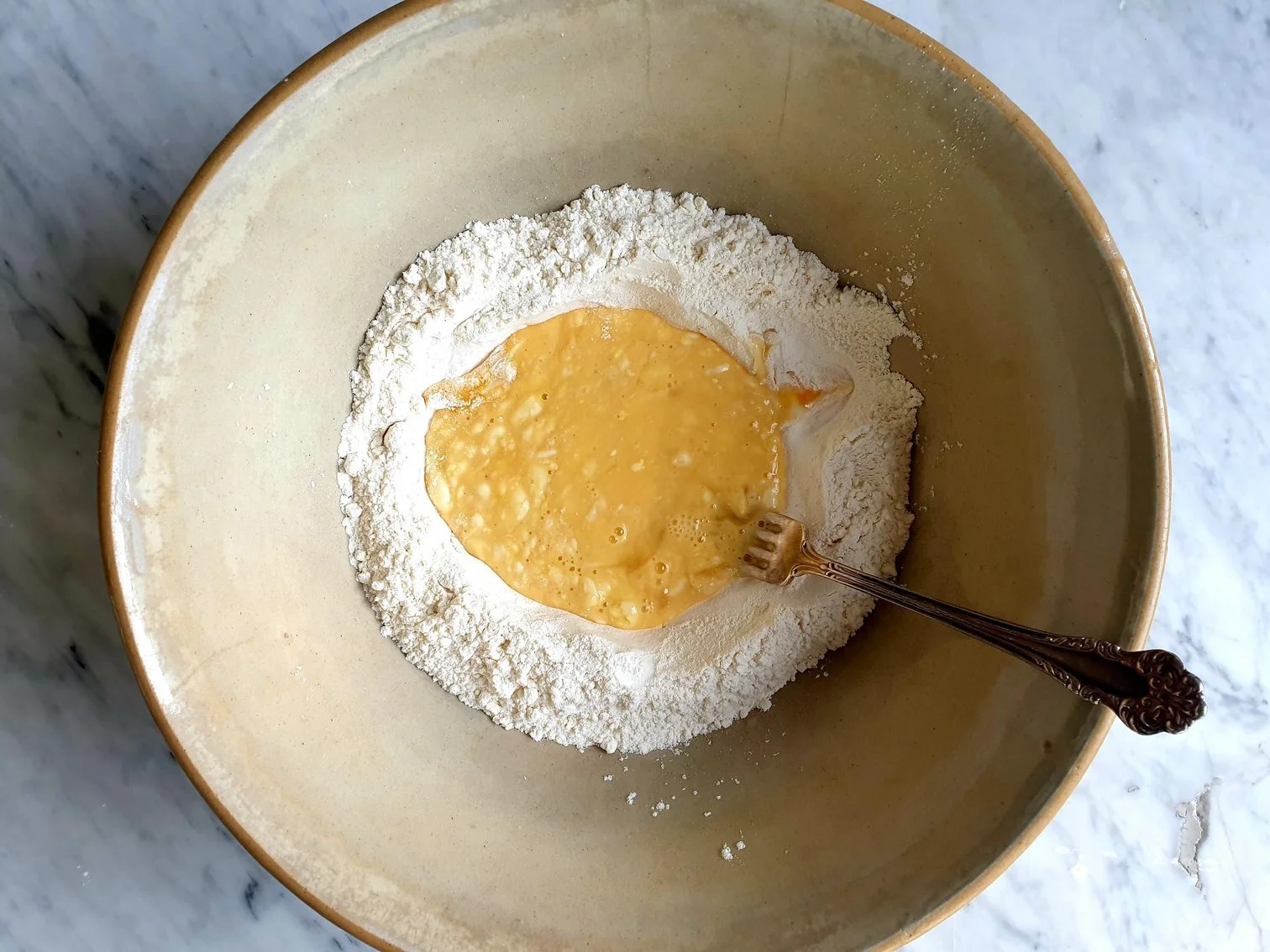
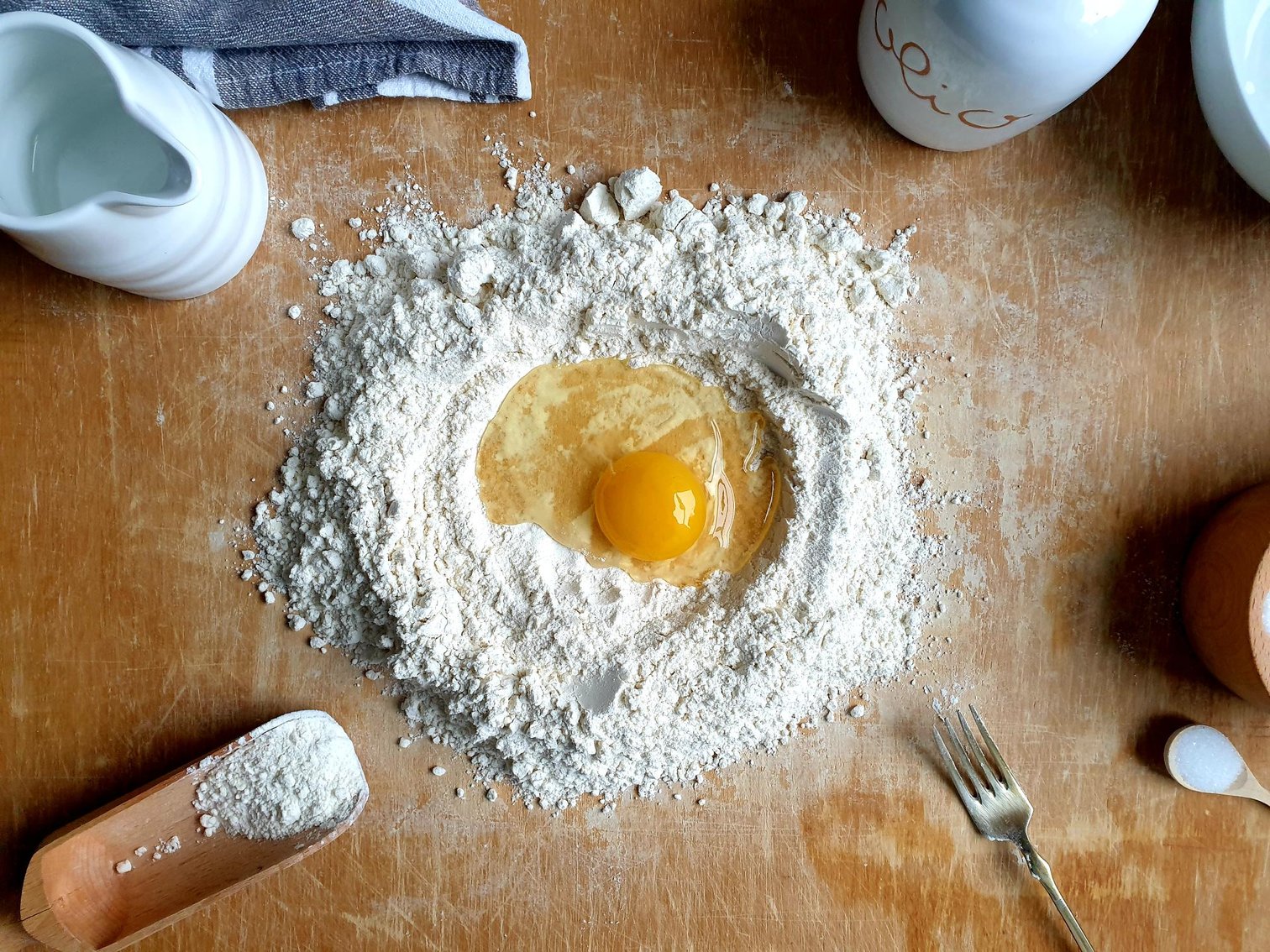
Add sea salt and the mixture of beaten egg and lukewarm water.
View fullsize Bigoli Pasta 3.jpg
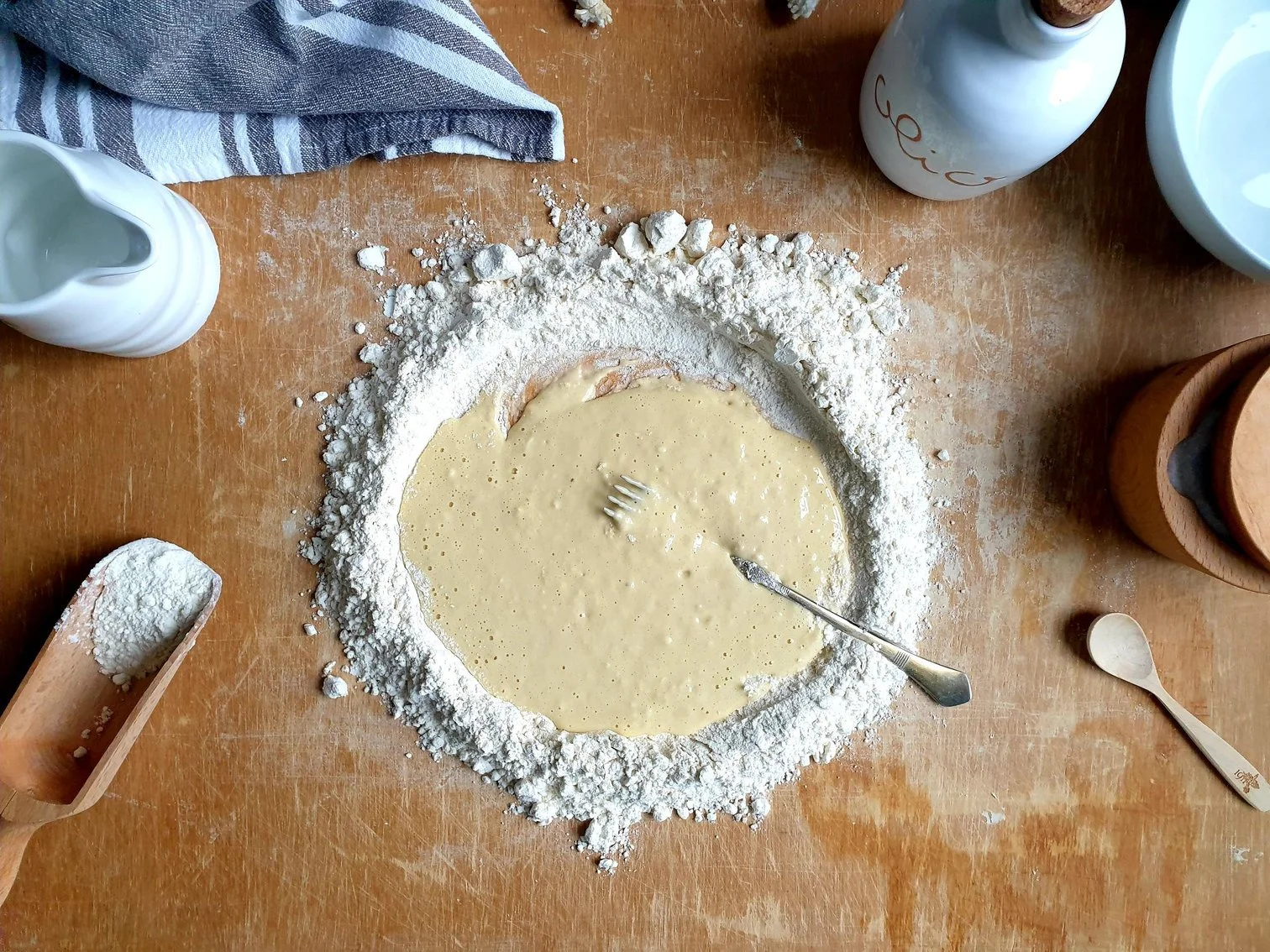
View fullsize Bigoli Pasta 4.jpg

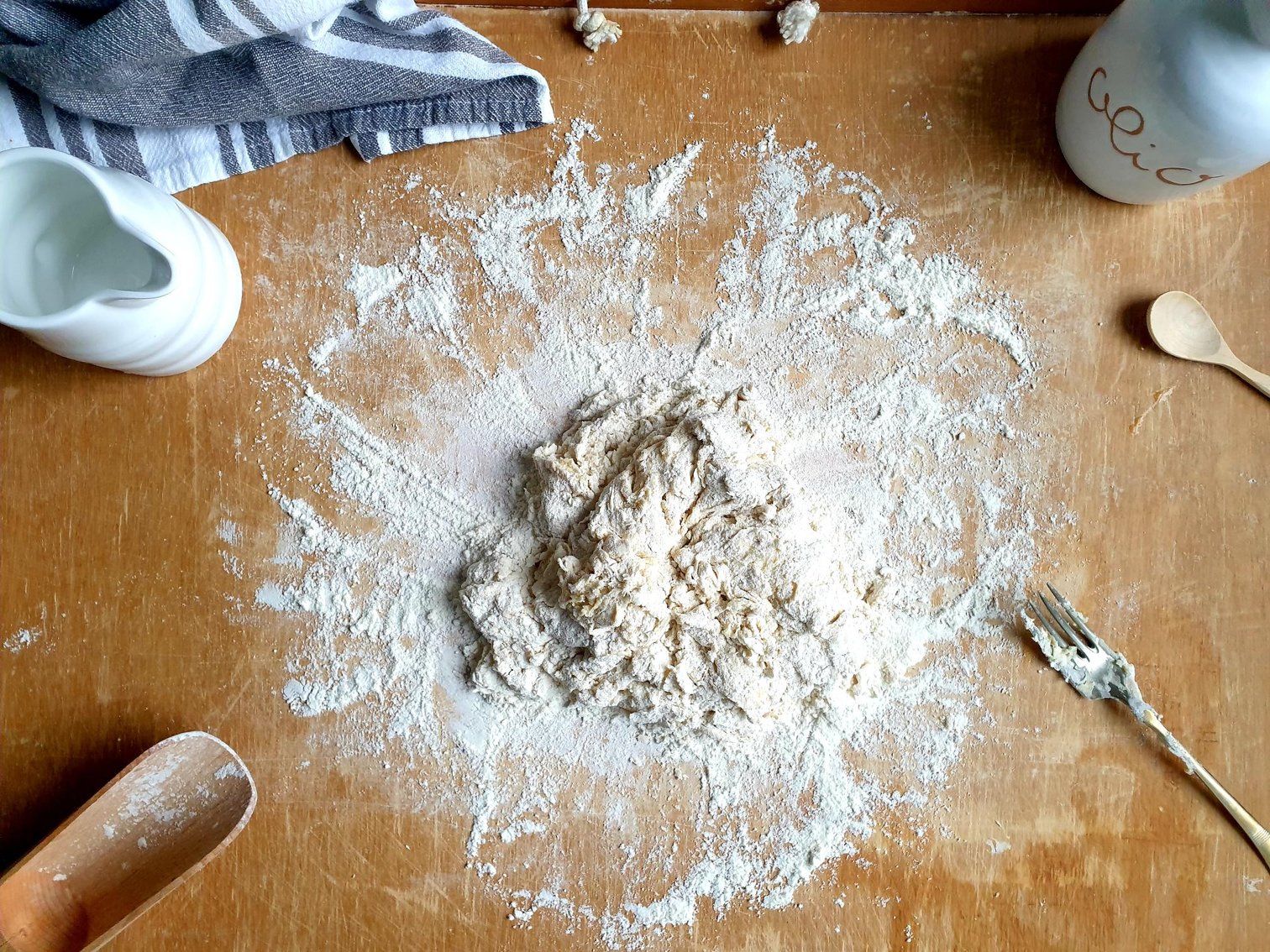
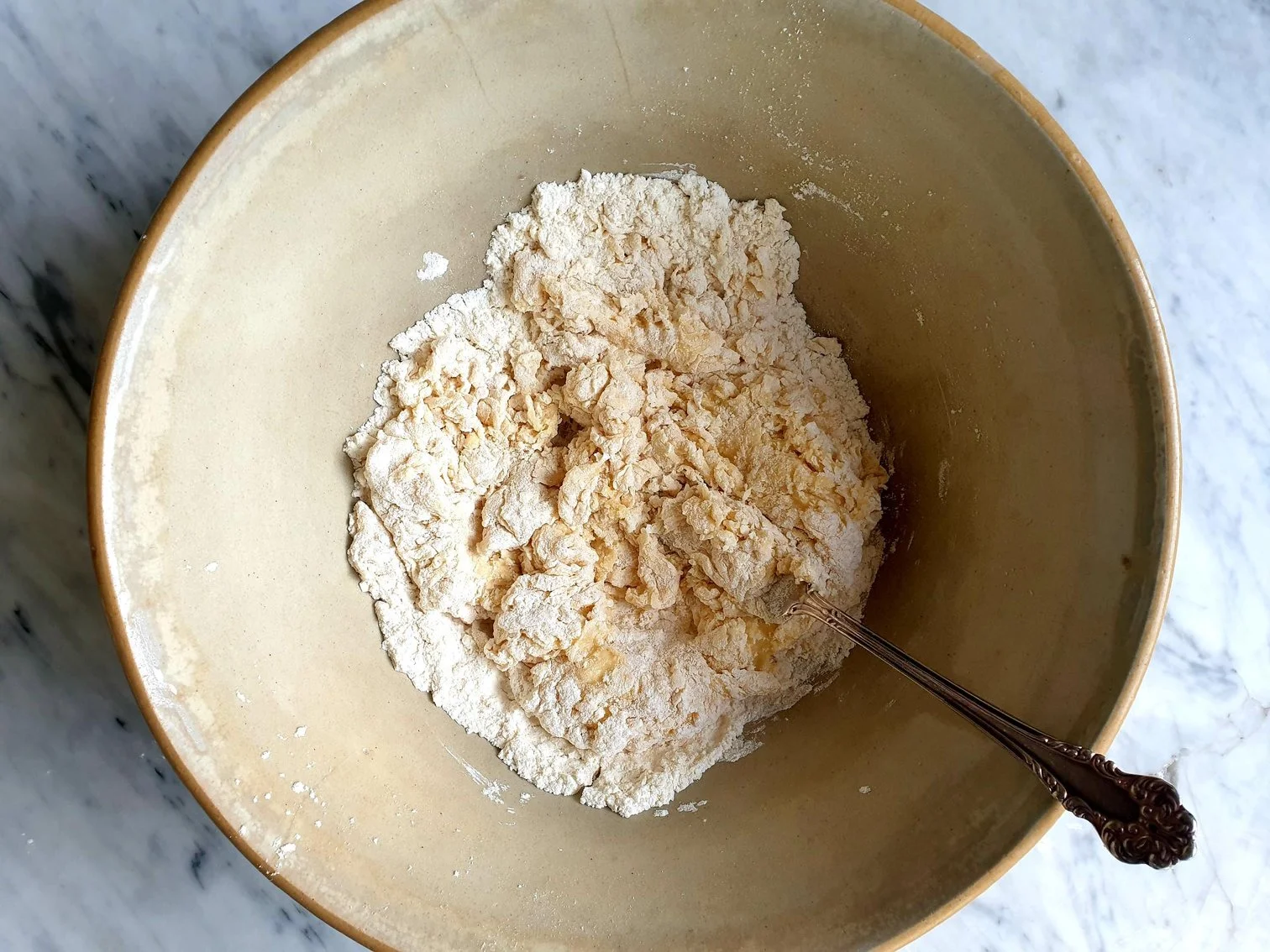
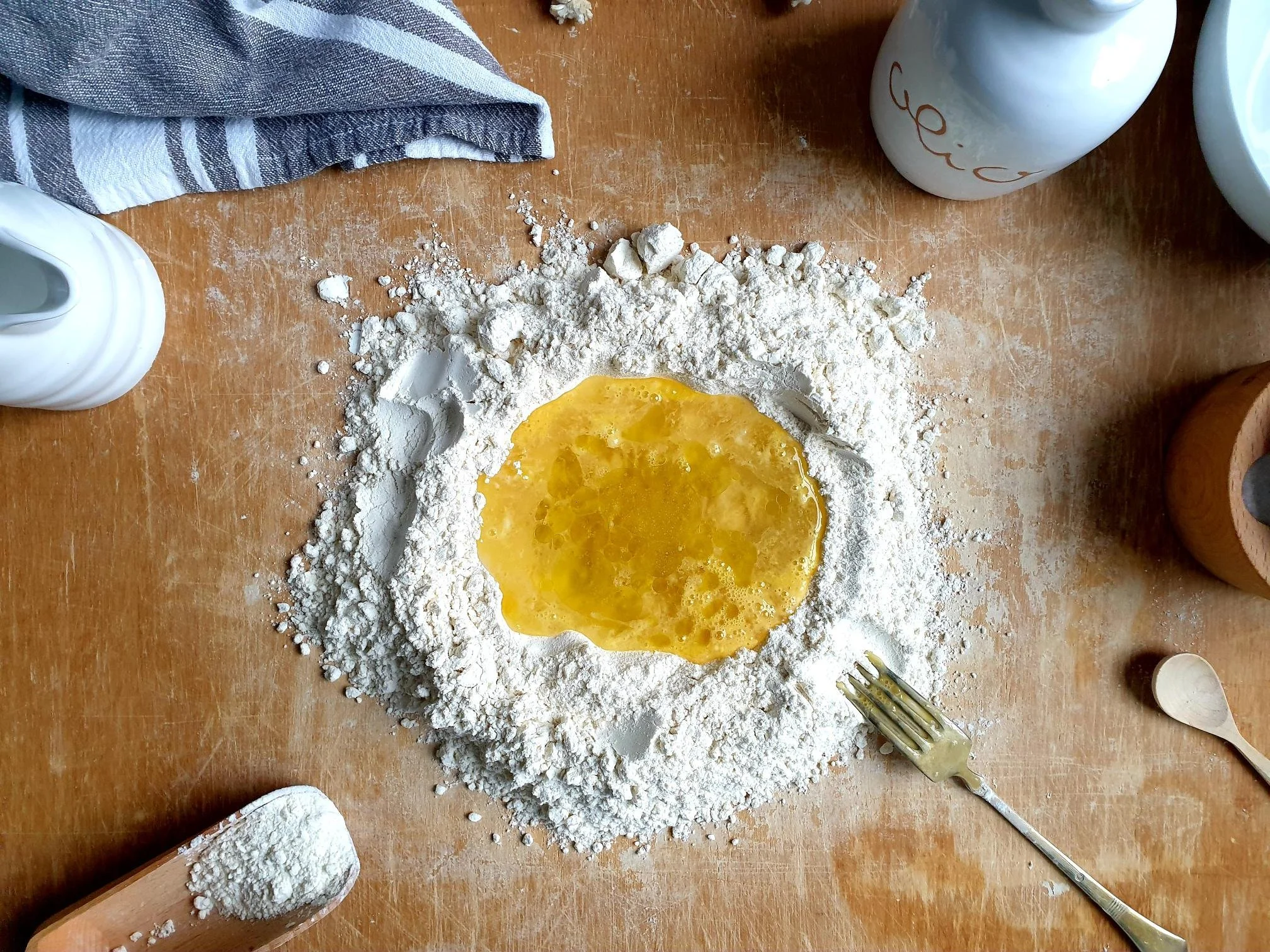
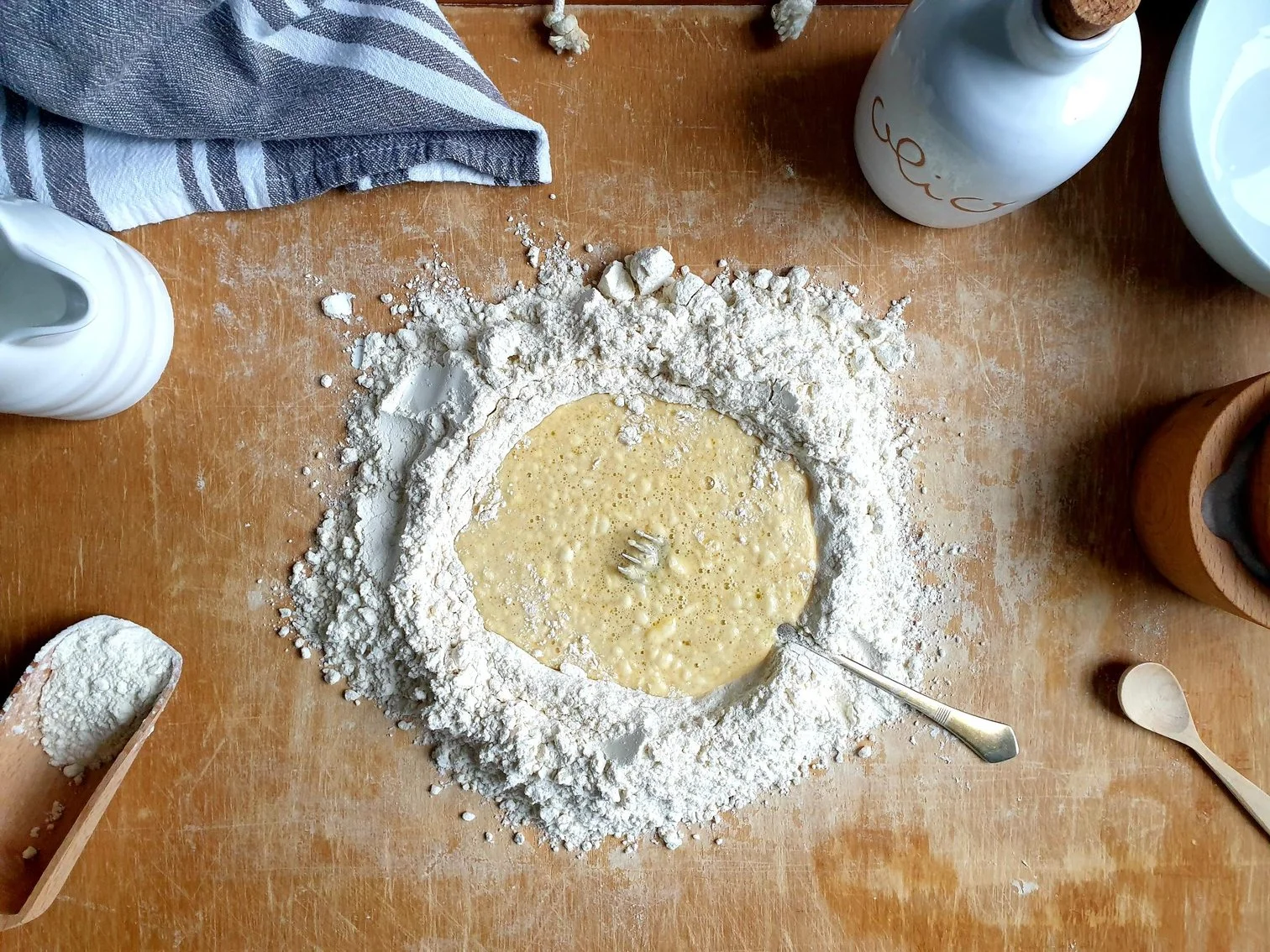
With a fork, start to incorporate the flour from the sides of the well and keep pulling the flour into the egg and water mixture until all the flour has been fully incorporated and all the ingredients are well combined.
View fullsize Bigoli Pasta 5.jpg
View fullsize Bigoli Pasta 6.jpg
View fullsize Bigoli Pasta 7.jpg
View fullsize Bigoli Pasta 8.jpg

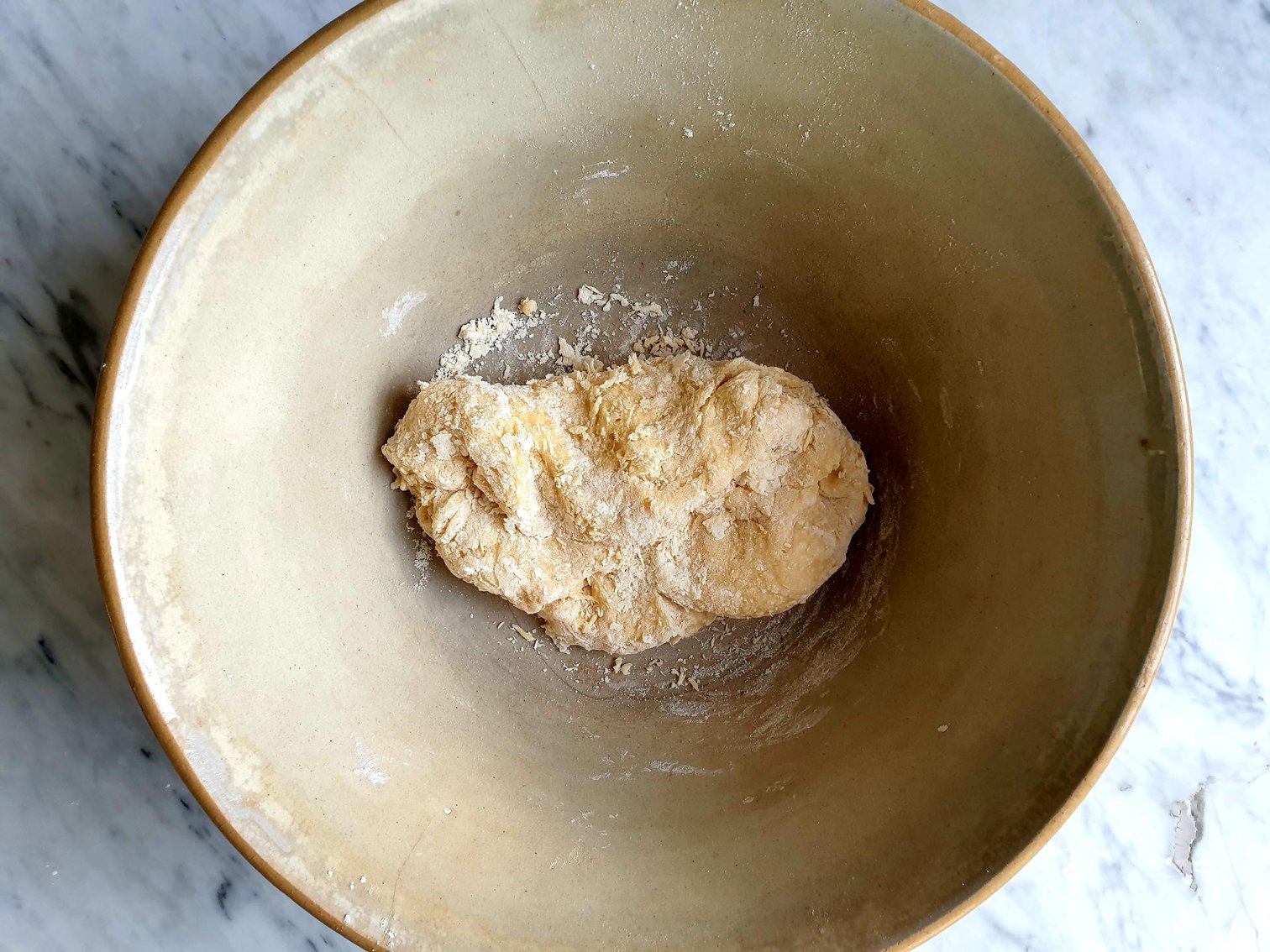
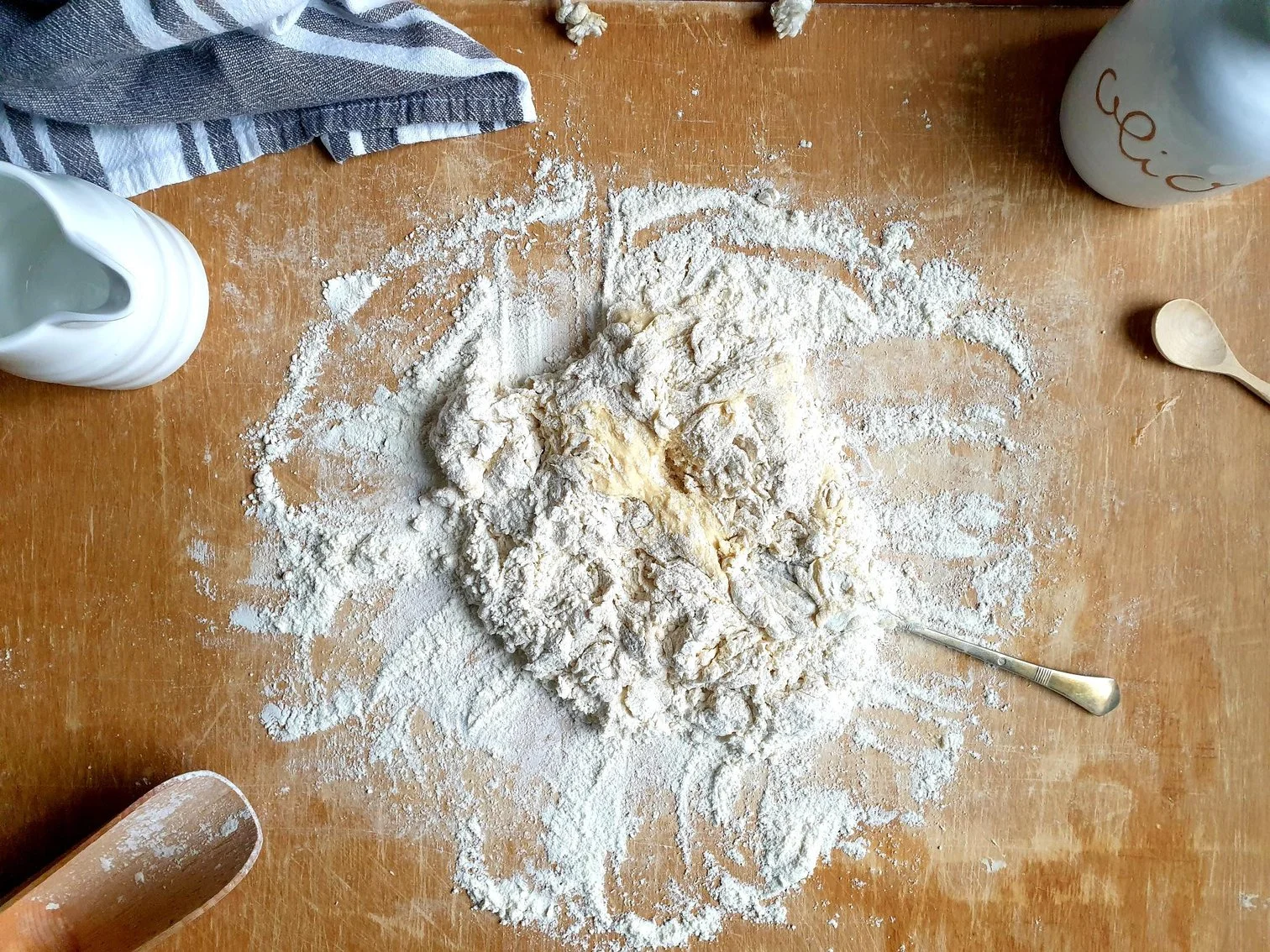
Work the dough by squeezing the mixture in your hands, making it into a ball.
View fullsize Bigoli Pasta 9.jpg
View fullsize Bigoli Pasta 10.jpg

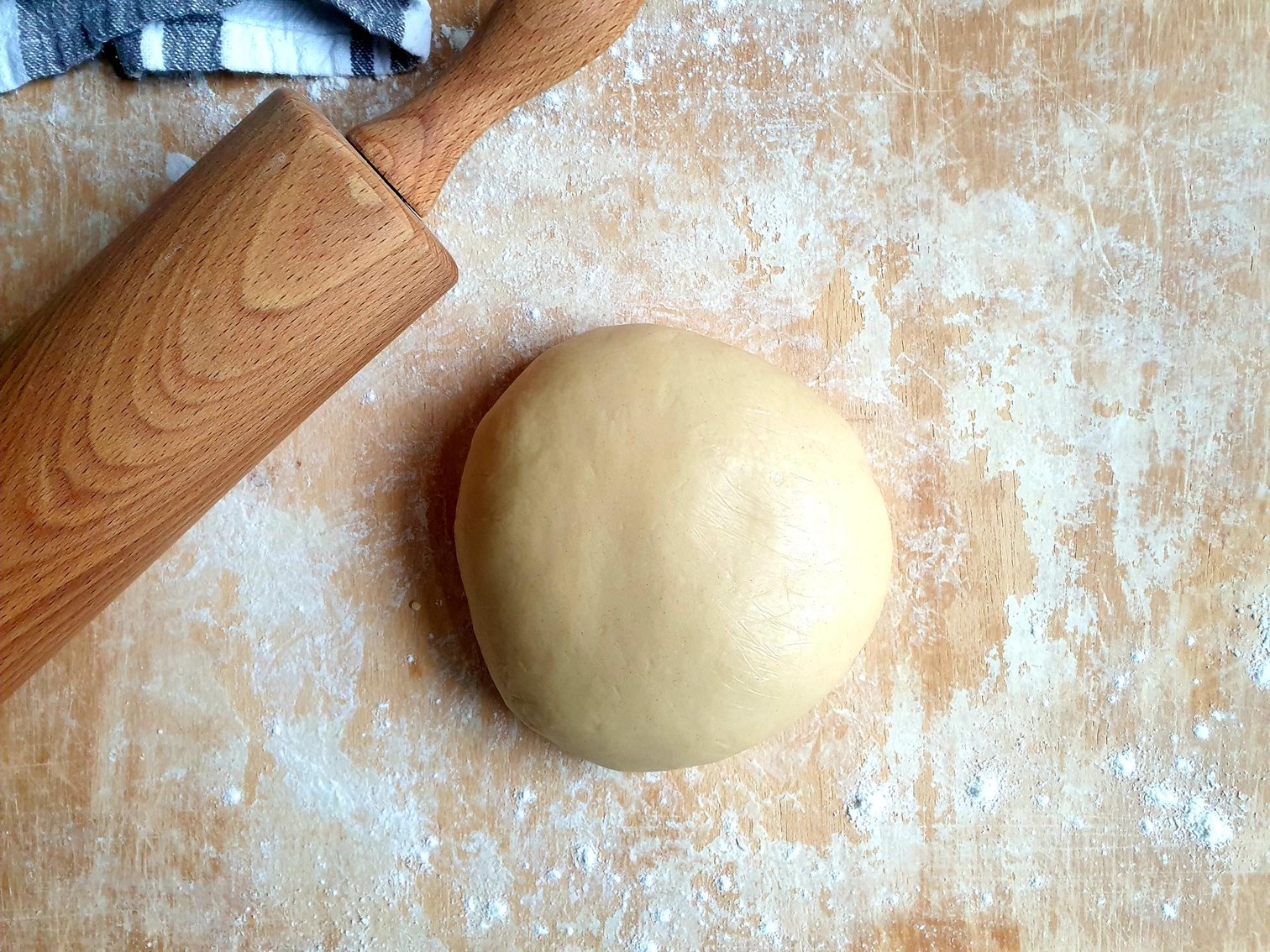
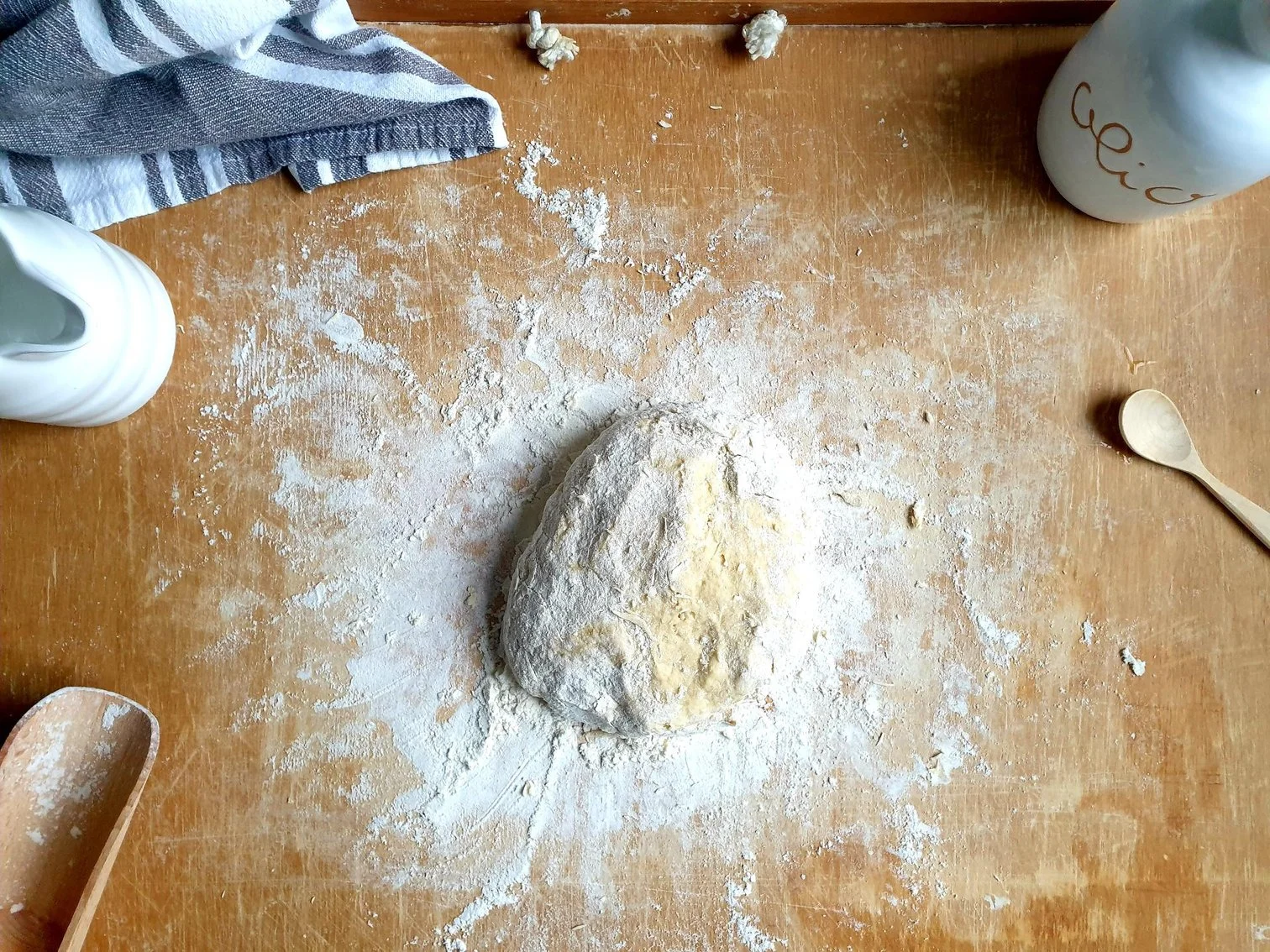
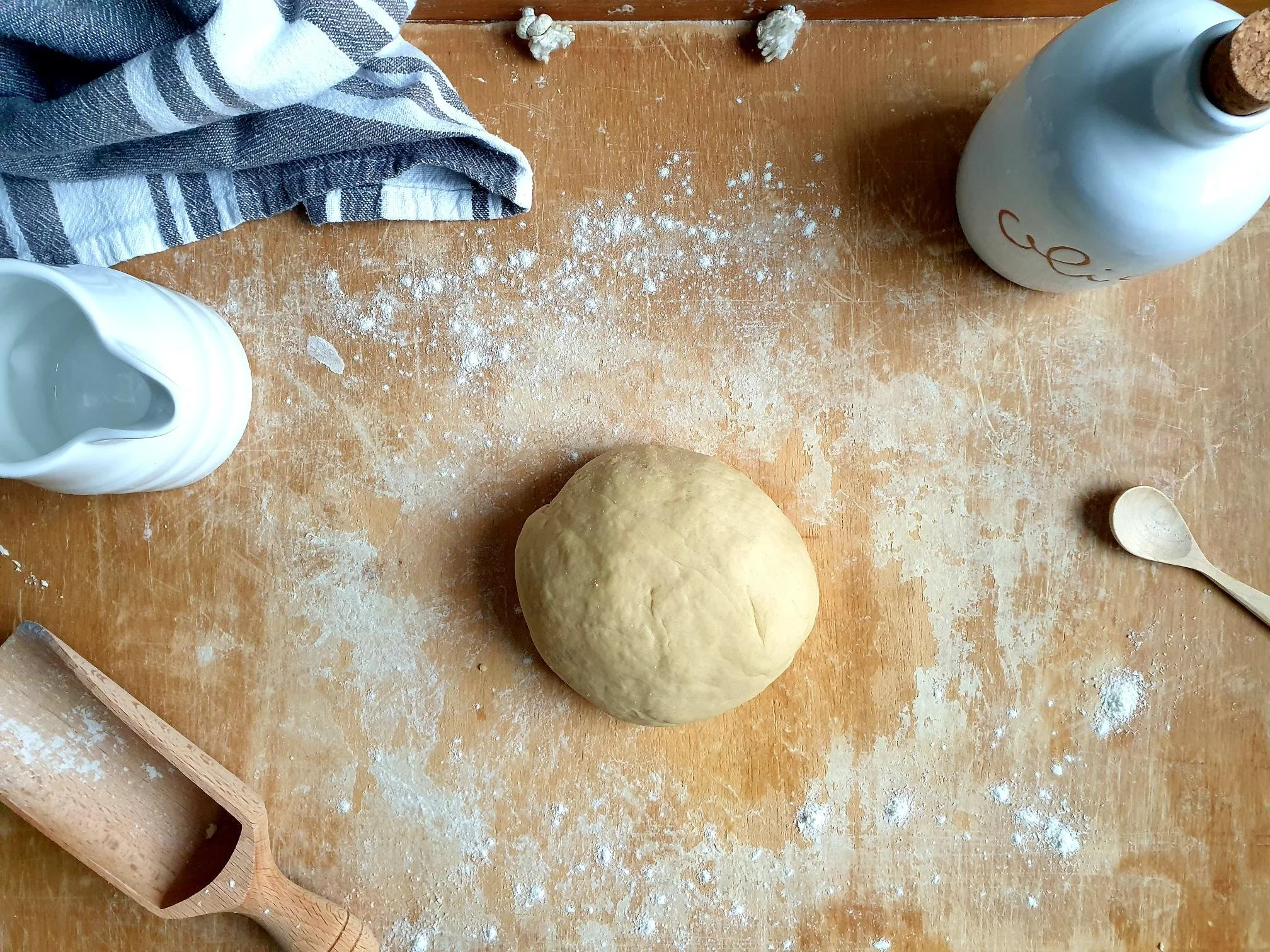
Start gently kneading with both hands (for about 8 minutes) until it becomes compact, elastic, and not sticky.
View fullsize Bigoli Pasta 11.jpg
View fullsize Bigoli Pasta 12.jpg

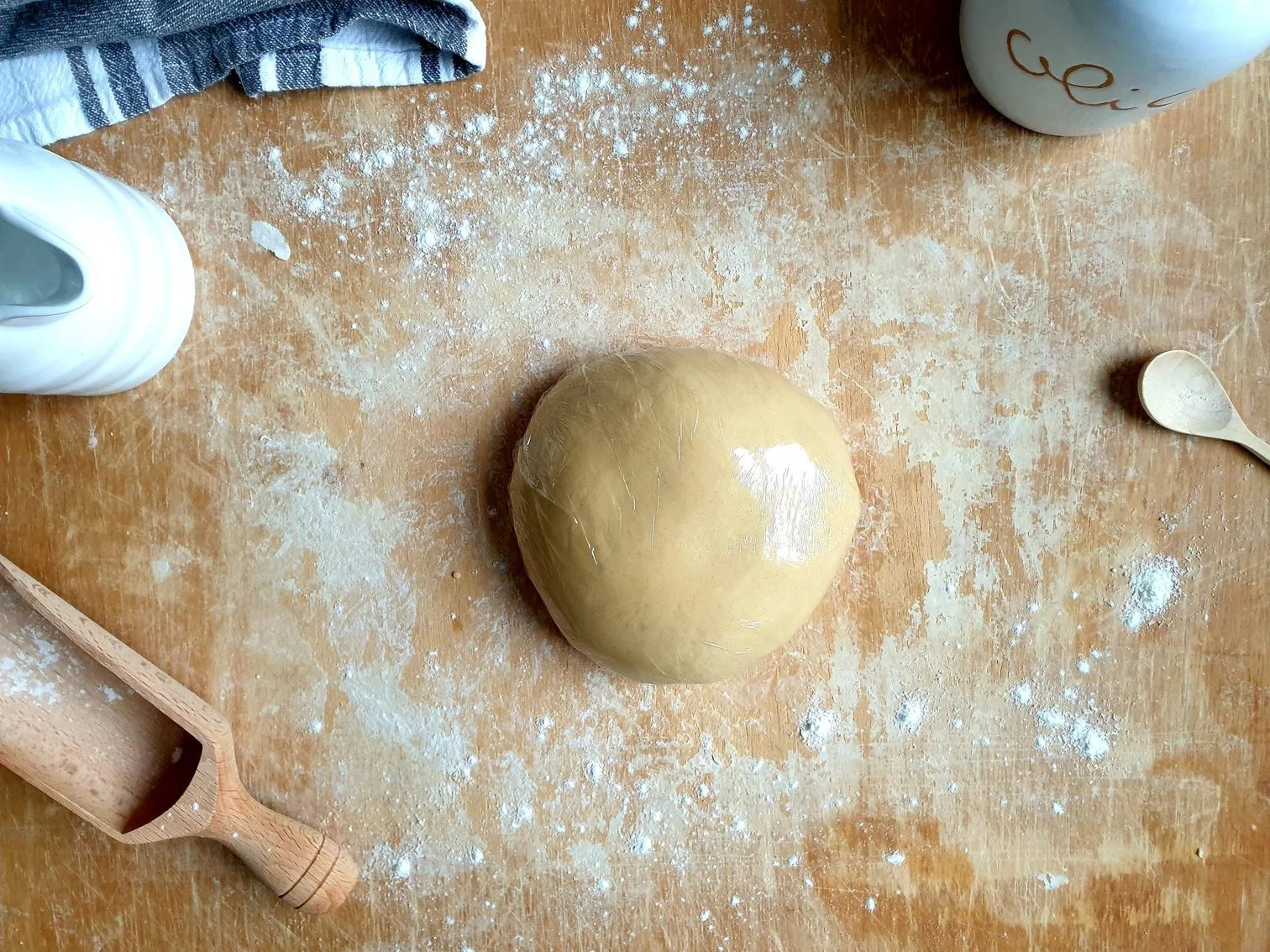
Wrap the dough in cling film, and allow to rest for at least 30 minutes or up to 1-2 hours at room temperature, allowing the gluten to relax.

If you are not using the dough straight away, you can put it into a fridge for up to a day.
View fullsize Bigoli Pasta 13.jpg
View fullsize Bigoli Pasta 14.jpg

Unwrap the dough and cut it in half. Cover the half of the dough you are not using with a cling film to prevent it from drying.

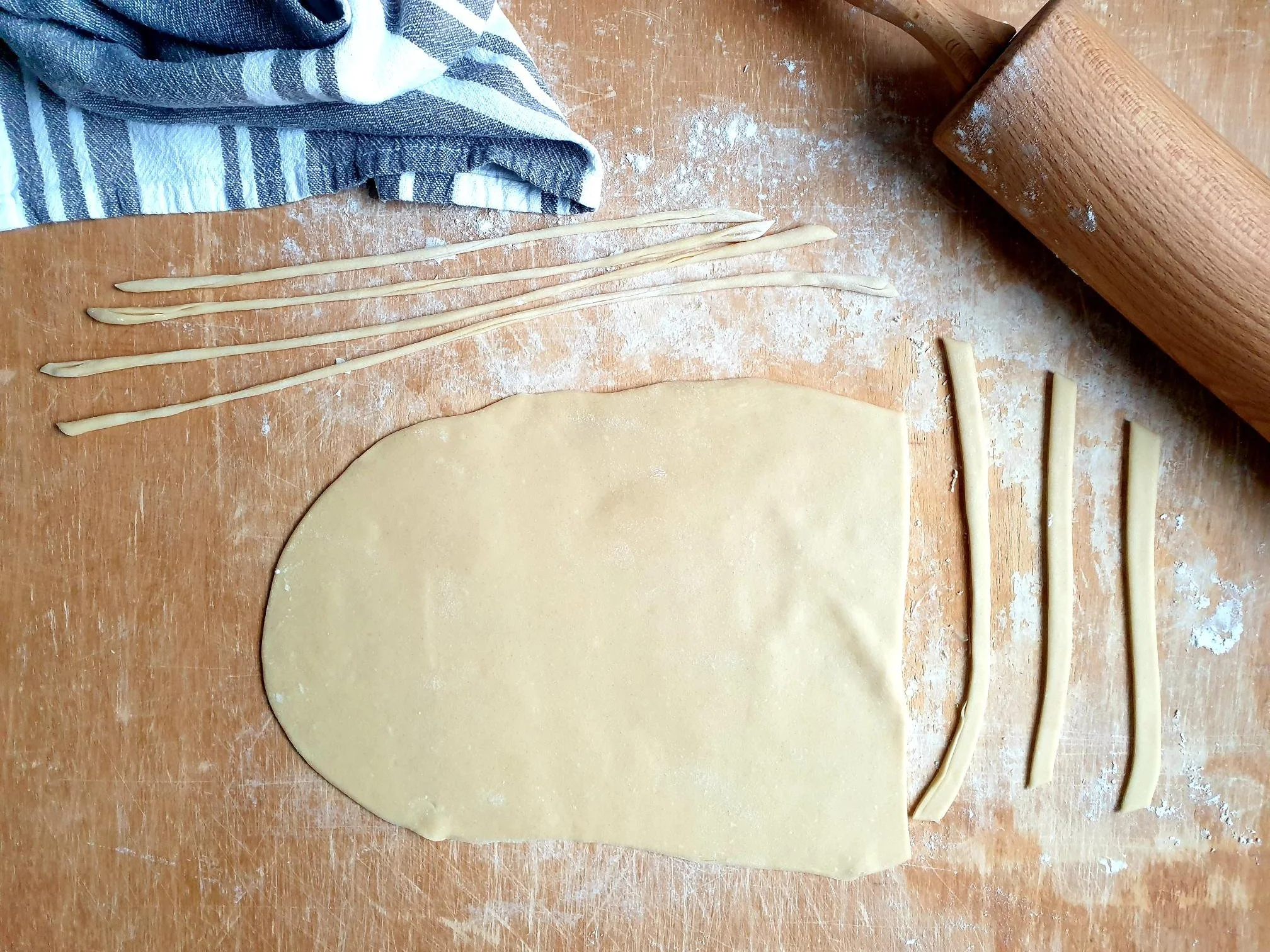
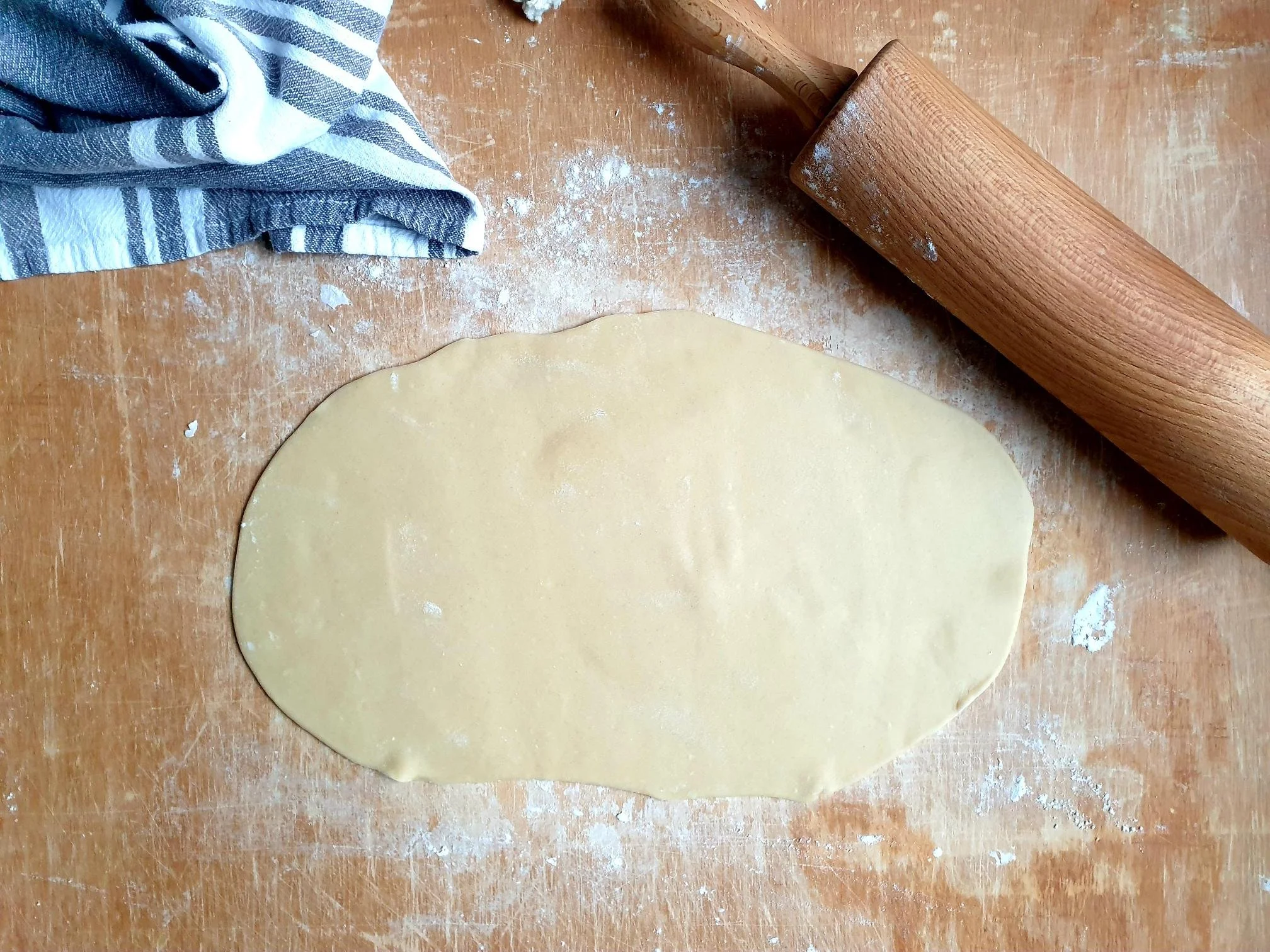
With a rolling pin, roll the unwrapped half of the dough into a rough rectangle, about 0.5cm (¼ inch) thick.

View fullsize Bigoli Pasta 15.jpg
View fullsize Bigoli Pasta 16.jpg

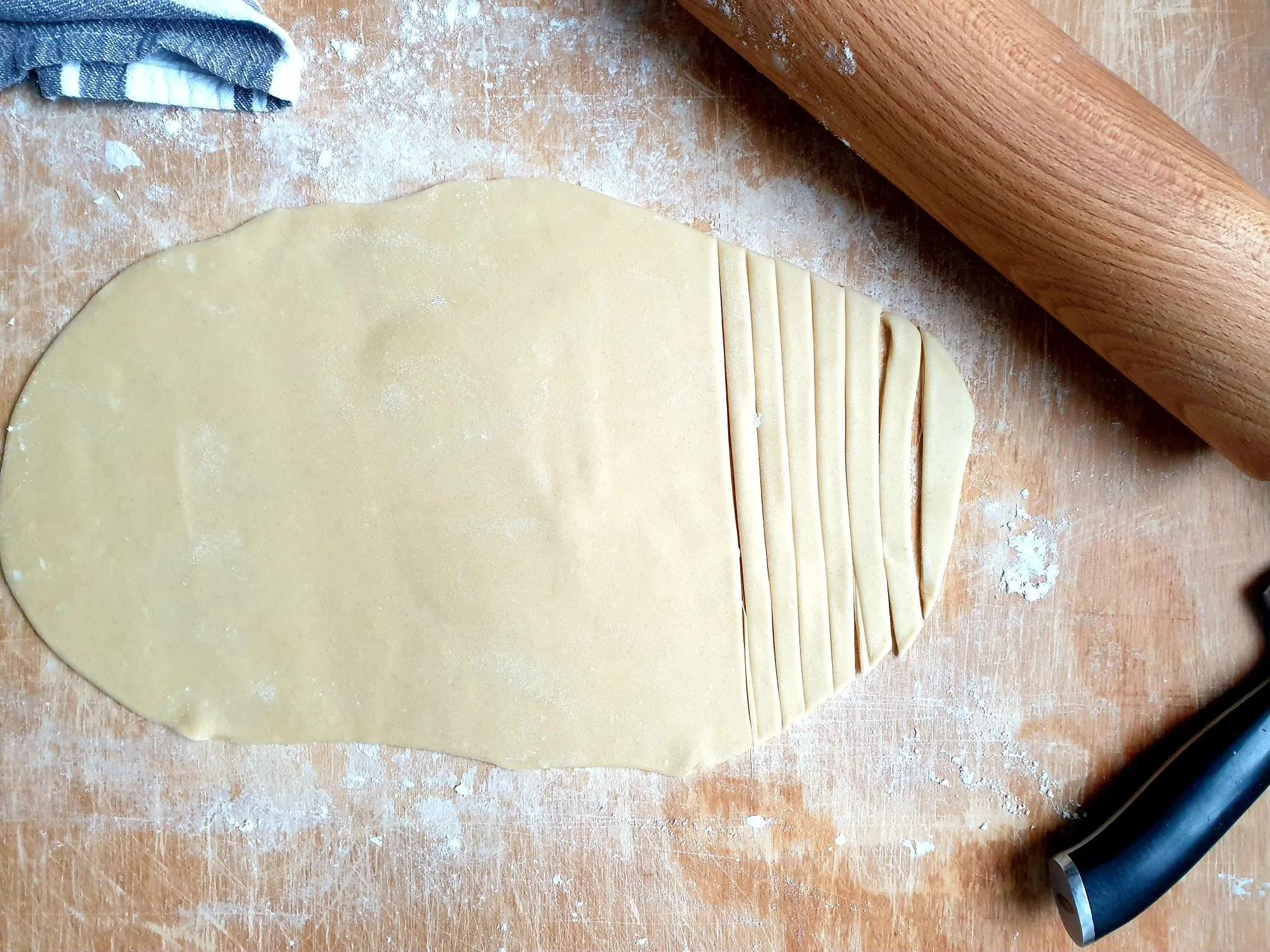
Then cut into strips roughly 1cm (½ inch) wide.

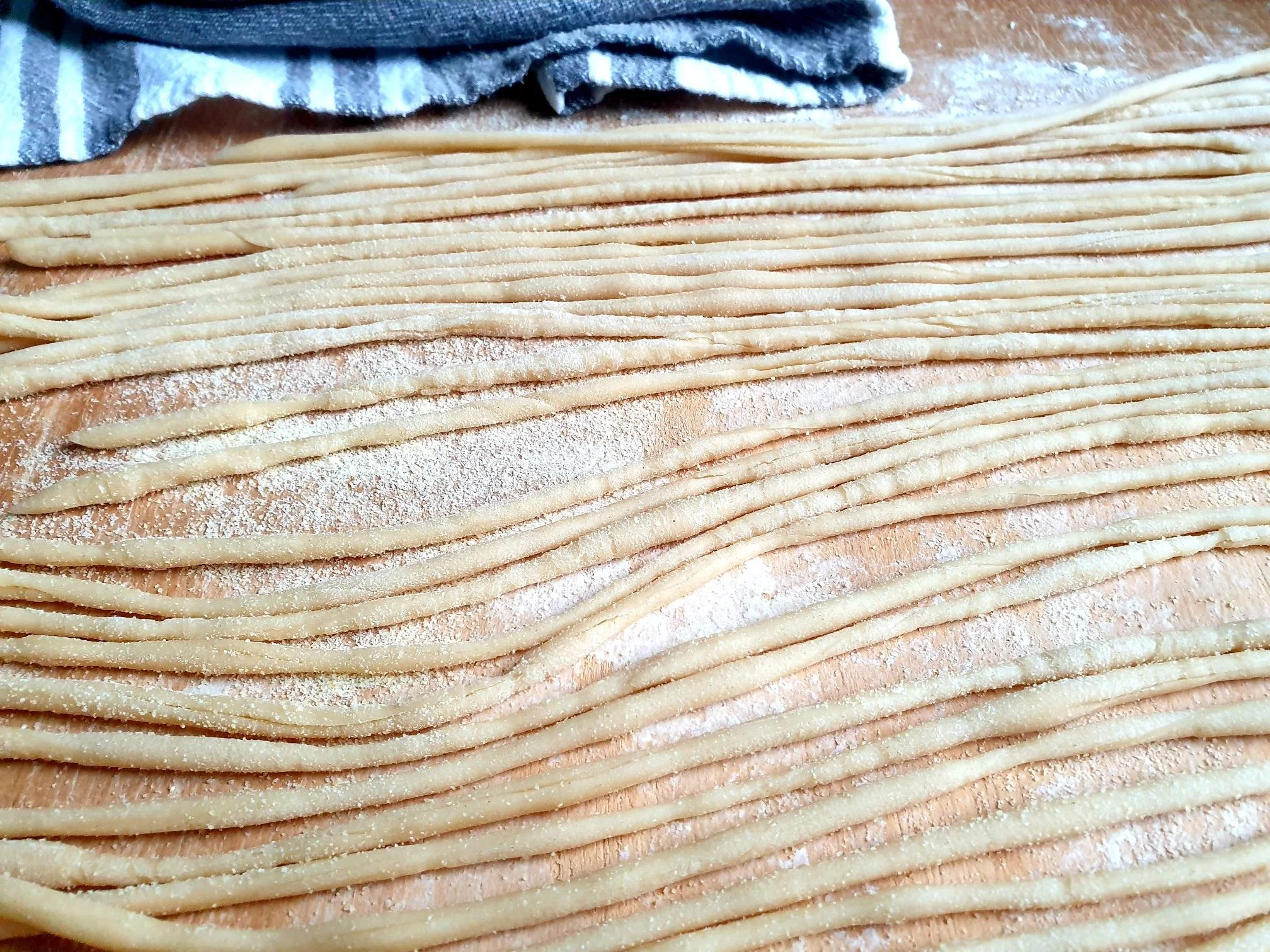
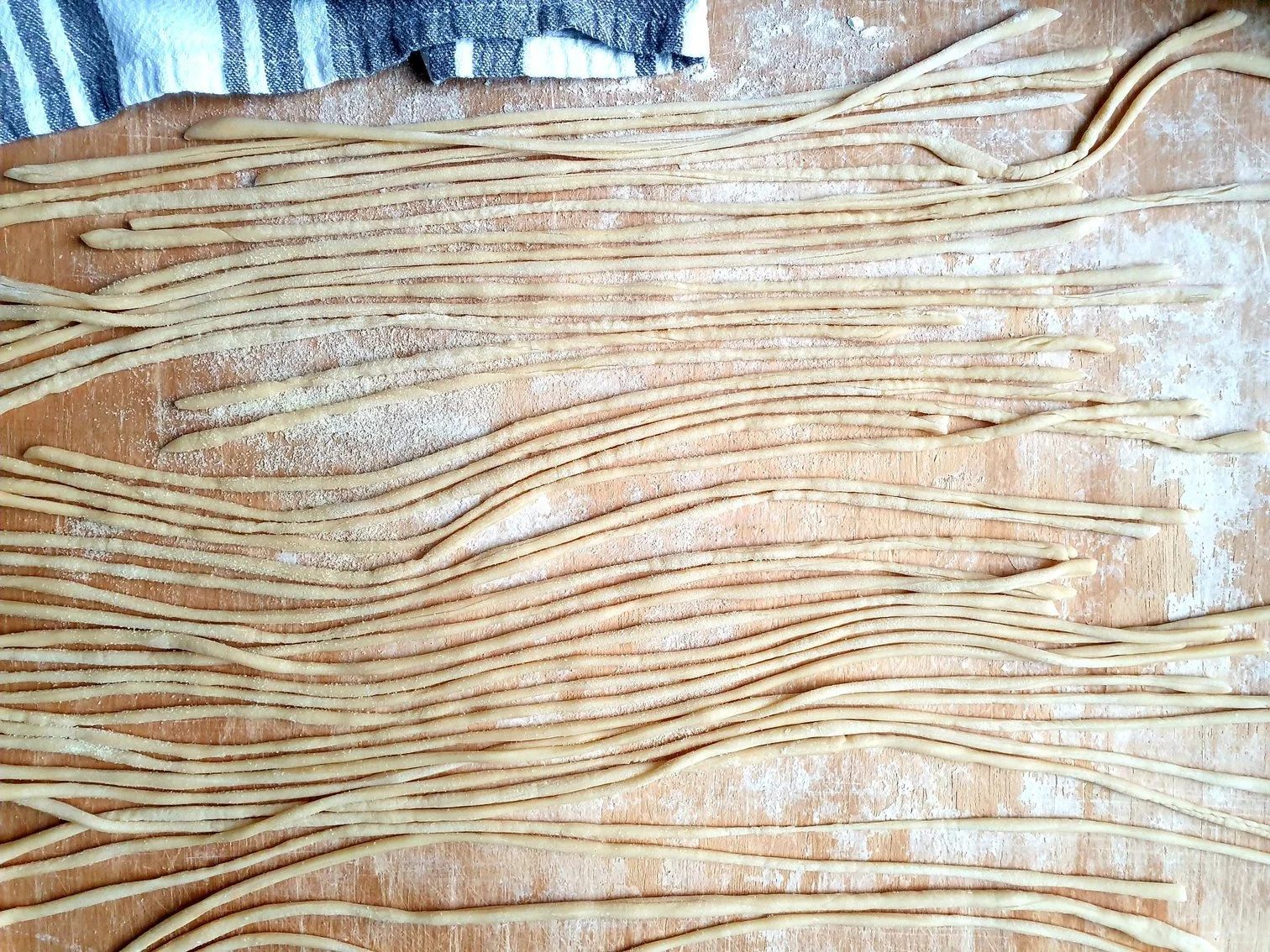
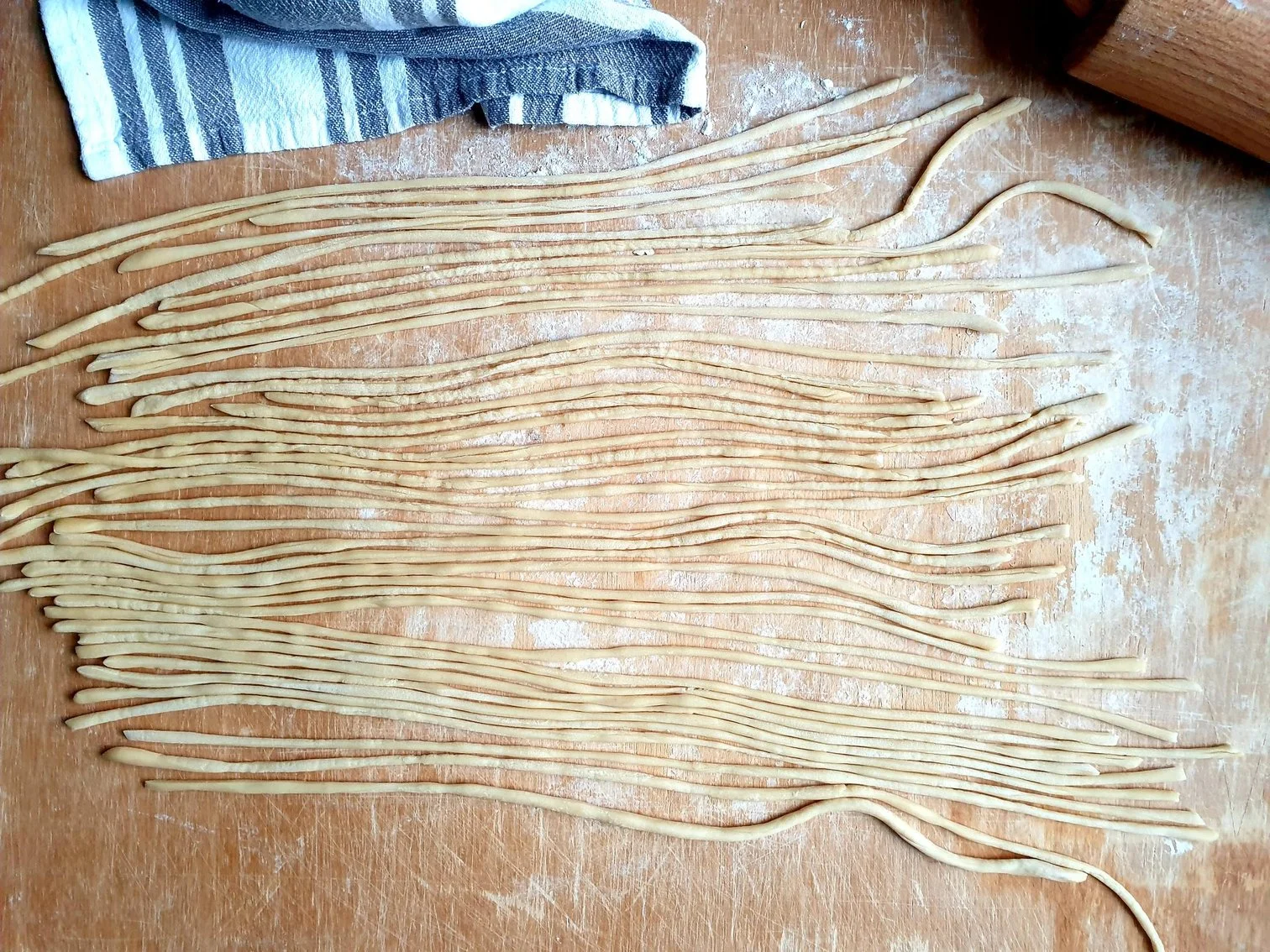
Roll each strip, one by one, between your palms pushing outwards to create long, thick, cylindrical strands (a bit thinner than a pencil) and more or less even throughout the length. They will all be a bit different, so do not stress about it, have fun!

Repeat the process with the other half of the dough.
View fullsize Bigoli Pasta 17.jpg
View fullsize Bigoli Pasta 19.jpg

Toss the shaped bigoli in flour to keep them from sticking together.

Keep strands of bigoli separated and arrange them on a flour or semolina-dusted surface, tray or baking sheet to prevent sticking. You can also line a tray or baking sheet with non stick baking parchment.
Cook bigoli pasta in a large pot of boiling salted water for a few minutes.

Cook until tender, but remember that the texture of bigoli is a bit chewy so they won't cook until really soft.

Drain and serve with a sauce of your preference.

I like to transfer cooked bigoli pasta straight into a saucepan with a sauce, add a bit of pasta water and let the bigoli and sauce bubble together for a minute or so. This will allow the pasta to take on the flavour and help thicken the pasta sauce a bit.
January 29, 2026 /tina oblak
Hand rolled pasta, Thick spaghetti pasta, handmade pasta, Handmade rolled pasta, rustic pasta, duck eggs, begginer shape pasta
Adriatic Recipe, All year round recipe, child friendly dish, child friendly meal, comfort, dinner, Easy recipe, Egg based pasta, family friendly dish, family friendly meal, first course, first course dish, first course meal, Fresh pasta, healthy mael, hearty dish, Istrian cuisine, Istrian dish, Istrian food, Istrian gastronomy, main course, main dish, no egg fresh pasta, Pasta, recipe from Northern Ital, Rustic dish, simple recipe, Slovenian cuisine, Slovenian food, Slovenian gastronomy, Venetian dish, weekend
Comment

Fuži – traditional handmade Istrian fresh pasta Recipe

Beans and Sardines
November 10, 2023 by tina oblak in Adriatic Recipe, All year round recipe, Celebratory dish, child friendly dish, child friendly meal, dinner, Easy recipe, Egg based pasta, entrée course, family friendly dish, family friendly meal, first course, first course dish, first course meal, Healthy, hearty dish, Istrian cuisine, Istrian dish, Istrian food, Istrian gastronomy, main course, main dish, Pantry, Pasta, Rustic dish, Slovenian cuisine, Slovenian food, Slovenian gastronomy, Starters, fresh pasta

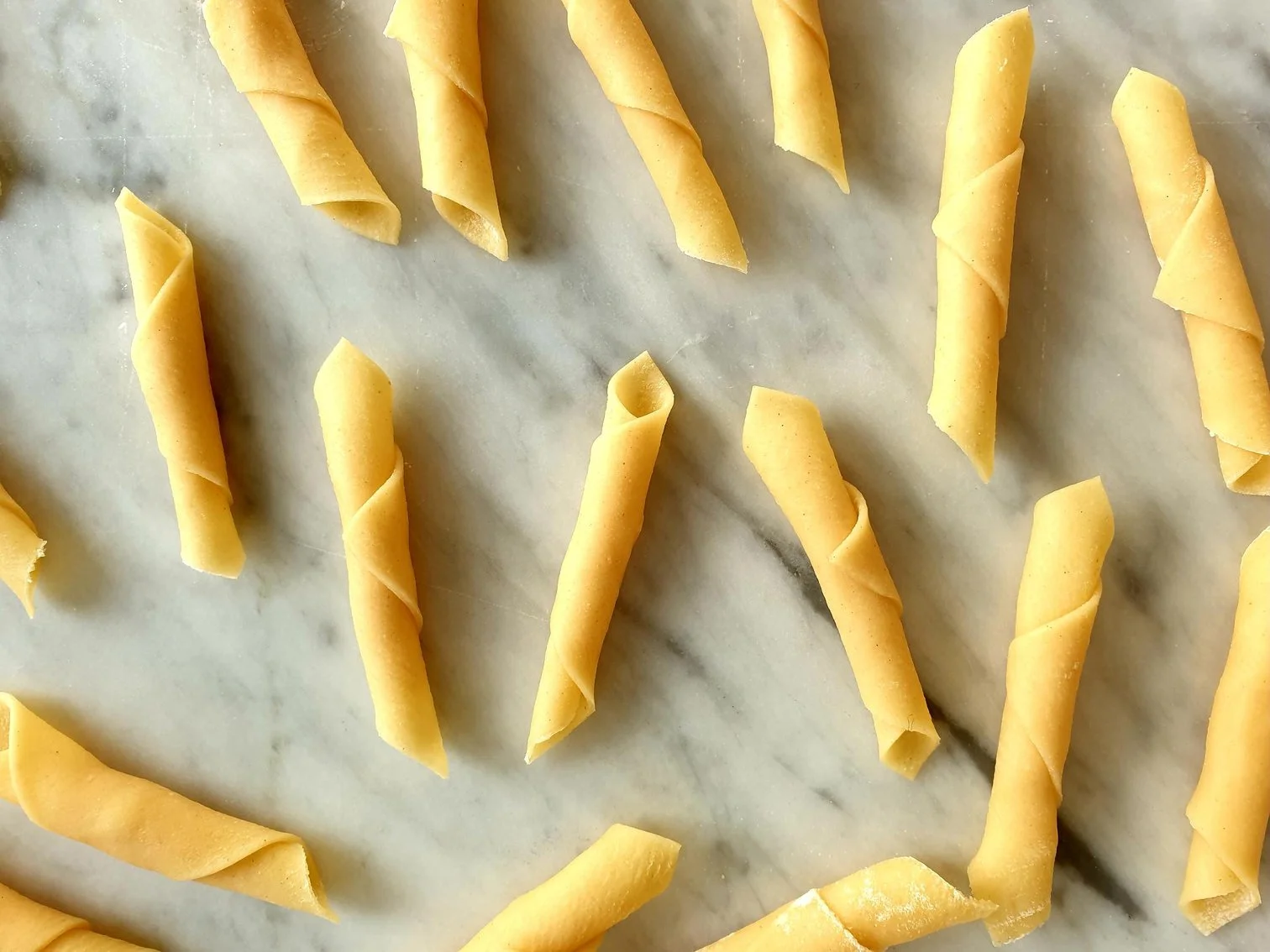
Fuži (together with bleki and pljukanci) is a traditional and very well renowned type of Istrian fresh pasta from Slovenia and Croatia. It uses only two ingredients, it is easy and fun to make, and its shape is really beautiful.

Traditionally it is homemade, and hand rolled with a wooden rolling pin, but these days pasta machine is frequently used for practical reasons.

The origin of the name fuži comes from Latin word fusus, meaning a spindle.

This recipe for fresh pasta is great for the beginners, as there really is nothing daunting about making it, and children love getting involved too.

Generally, when we think of pasta, we have in mind a quick mid-week meal. This type of pasta, however, has been usually made in the households during festivities, holidays or as a Sunday lunch, and it has been traditionally served with chicken or rabbit goulash and sautéed sauerkraut.

It is also very commonly enjoyed with venison stew, braised pheasant, classic beef goulash, asparagus (in Istria wild asparagus when in season), cured ham or pancetta cream-based sauce, mushroom creamy sauce, and of course, the Istrian luxurious white truffle creamy sauce, popular in the autumn.

This pasta is also very delicious paired with any vegetarian and fish-based sauces or any other sauce you might like (different types of pesto).

I am sharing here the recipe for fuži, a fresh homemade pasta that holds a very special place in Istrian gastronomy, and it is frequently found in local restaurants.

Ingredients

Serves 2-4

  • 300g plain (all purpose) white flour

  • 3 medium eggs

You will also need a wooden kebab stick, or a wooden spoon, to shape the fuži.

Method

Place the flour directly on a working surface, wooden board or a mixing bowl, and make a well in the centre.

Crack the eggs directly into a well.

Using a fork, mix the eggs with the flour, incorporating a little at a time, until everything is combined, and the dough comes together.

View fullsize Fuzi 2.jpg
View fullsize Fuzi 3.jpg

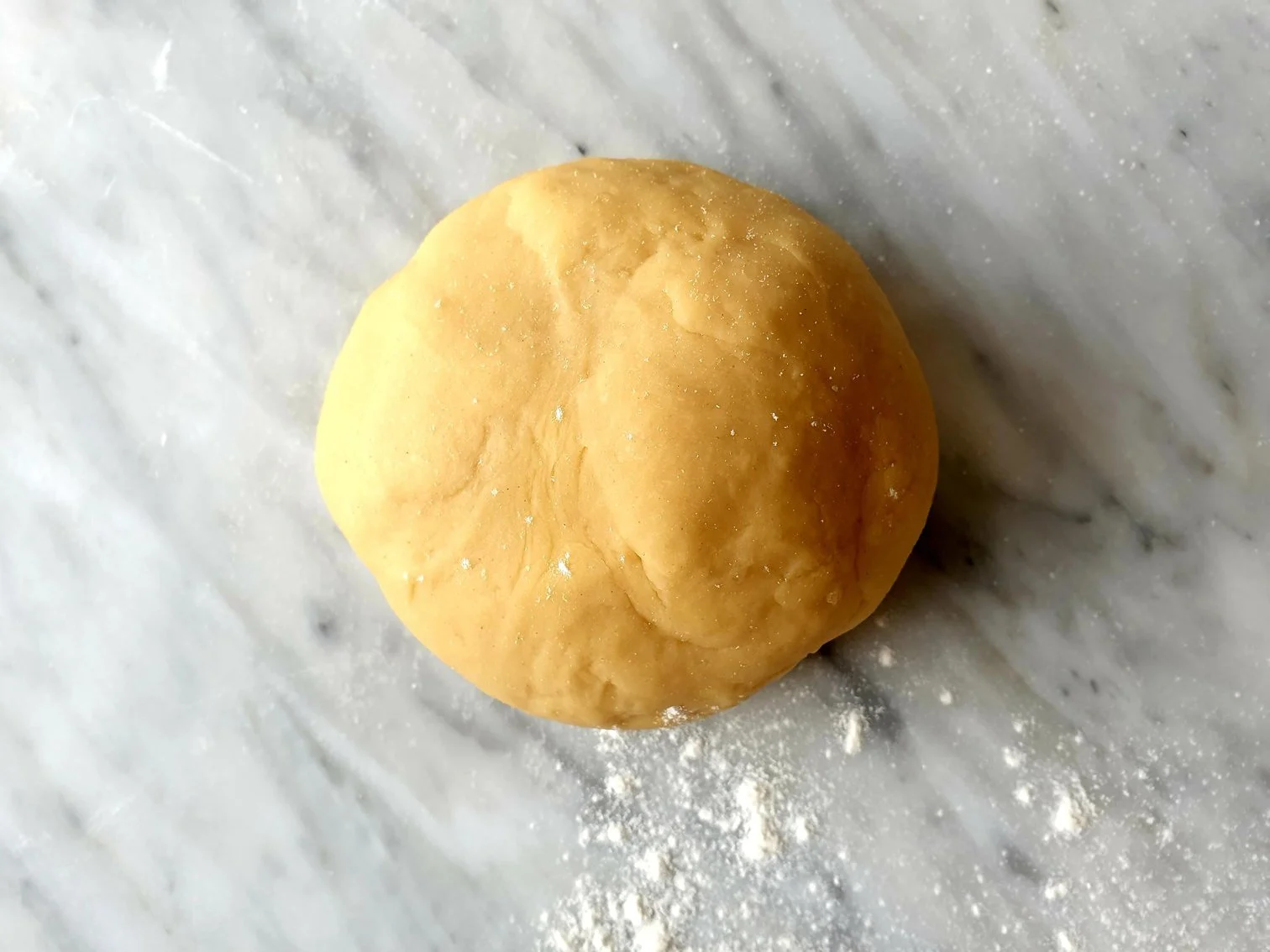
Transfer the dough onto a working surface and start kneading. It could take around 10 minutes of kneading for the gluten to develop in the flour and to get a smooth and elastic lump of dough.

Wrap the dough tightly with the cling film or a clean cotton kitchen cloth and let it rest for about 30 minutes at the room temperature.

View fullsize Fuzi 4.jpg
View fullsize Fuzi 5.jpg

Unwrap the dough and divide it into 4 pieces. Take one piece of the dough and cover the rest of the dough that you are not working with, with the cling film to prevent it from drying and cracking.

With your hands flatten the piece of the dough you are working with to a thickness of about 0.5cm and lightly dust with flour to prevent it from sticking.

Put the flattened piece of the dough through pasta machine on the widest setting. If you don't have pasta machine, use a rolling pin.

Fold the dough in half, keep rollers on the widest setting, and roll the dough again through the pasta machine.

Flour as needed to prevent sticking, and keep rolling pasta dough through pasta machine reducing the width of the rollers one setting at a time.

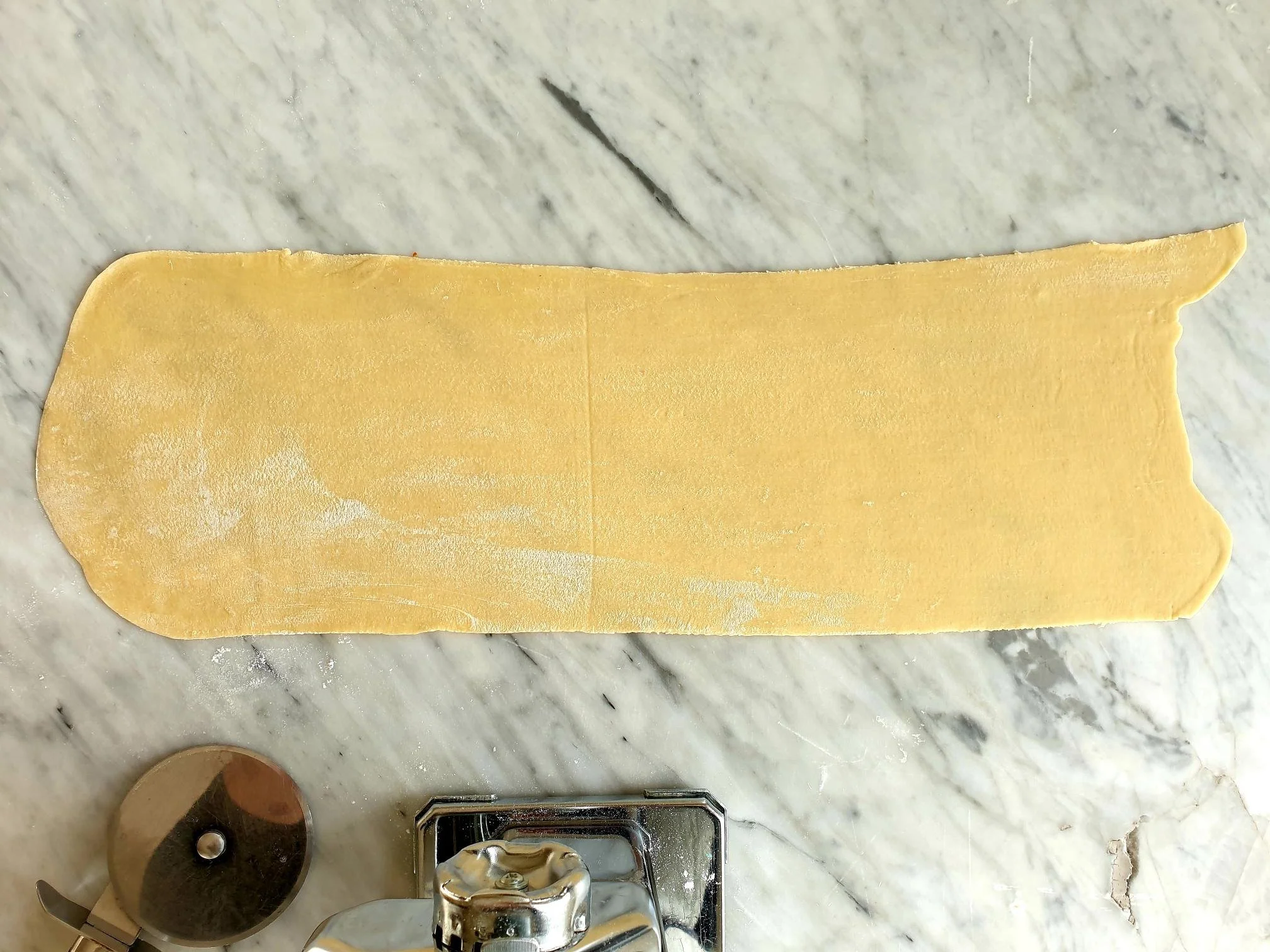
Continue rolling until pasta dough has been rolled through the thinnest setting.

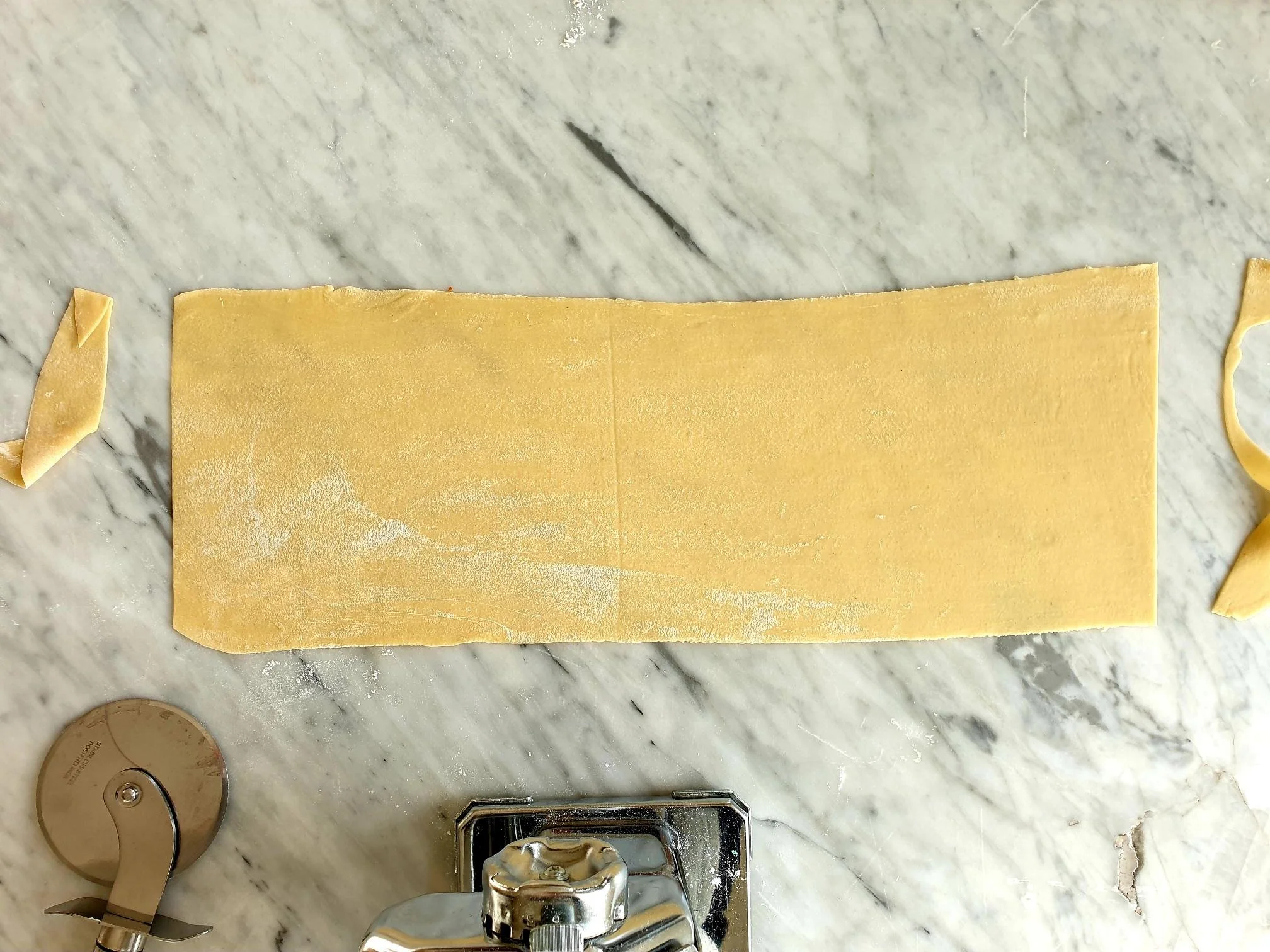
At this stage you should end up with a very thin pasta (lasagna) sheet.

Place pasta sheet on a working surface.

View fullsize Fuzi 6.jpg
View fullsize Fuzi 7.jpg

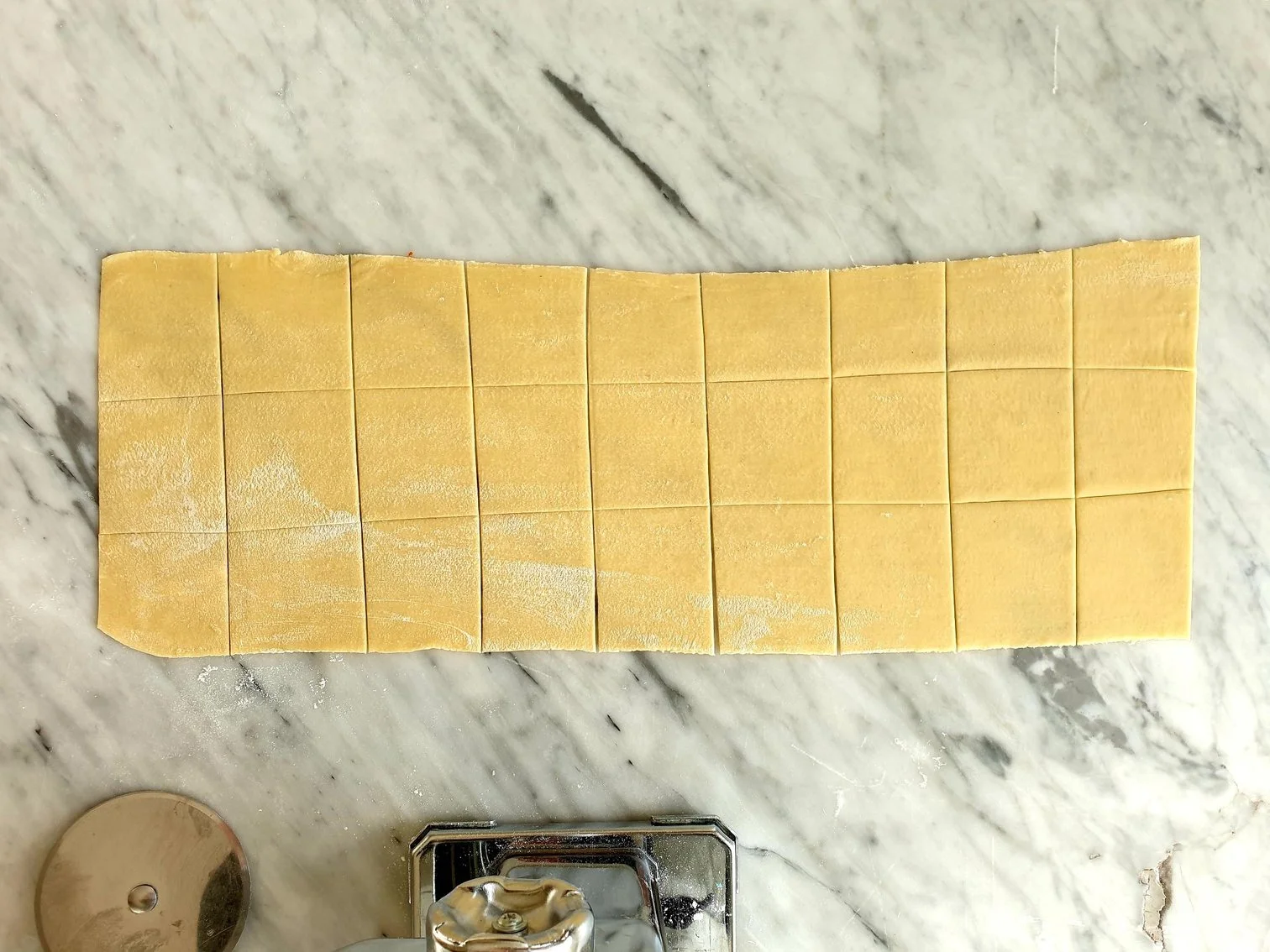
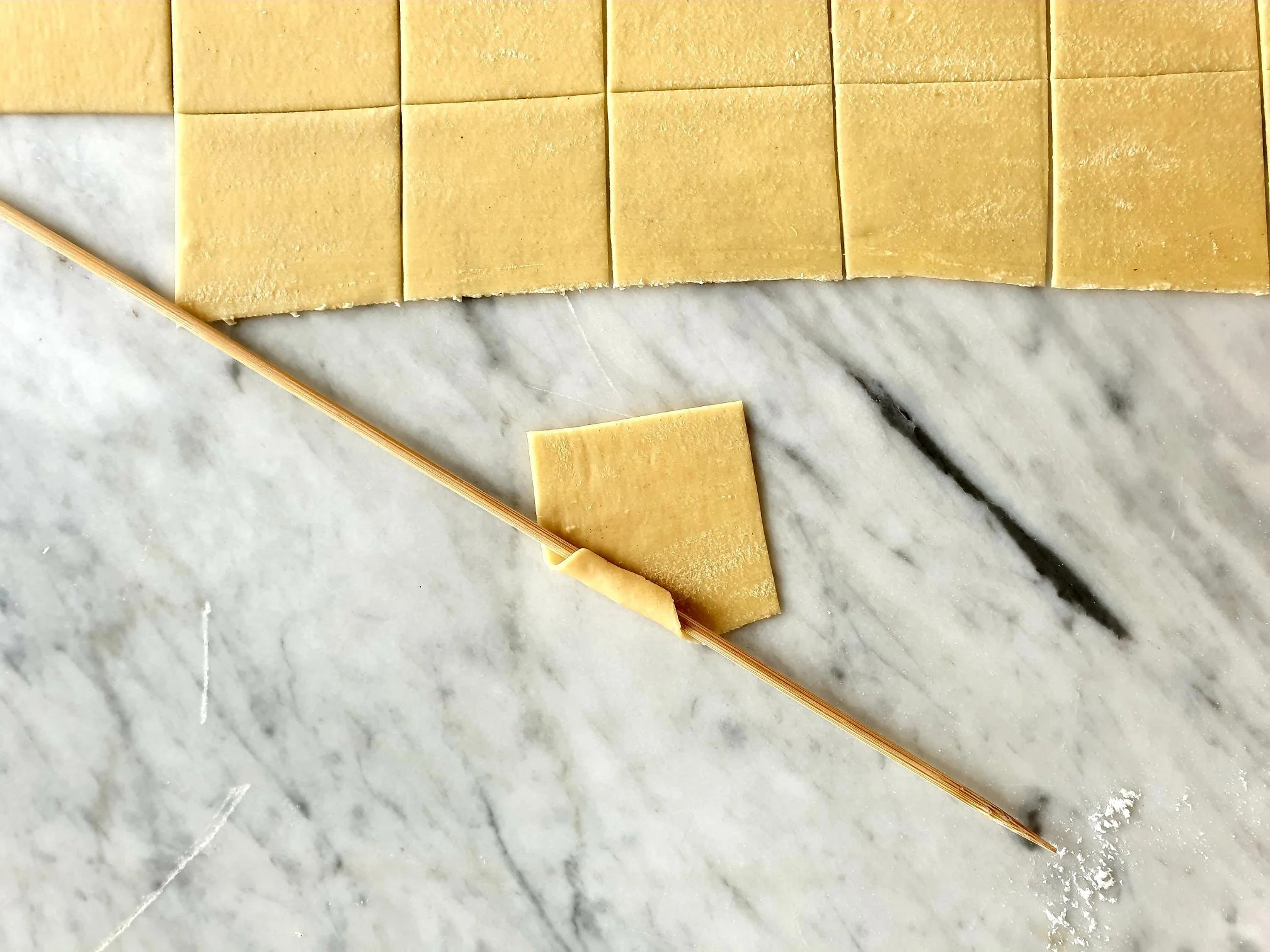
With a sharp knife (I used pizza cutter wheel) cut the pasta sheet into 4cm (1½ inch) squares.

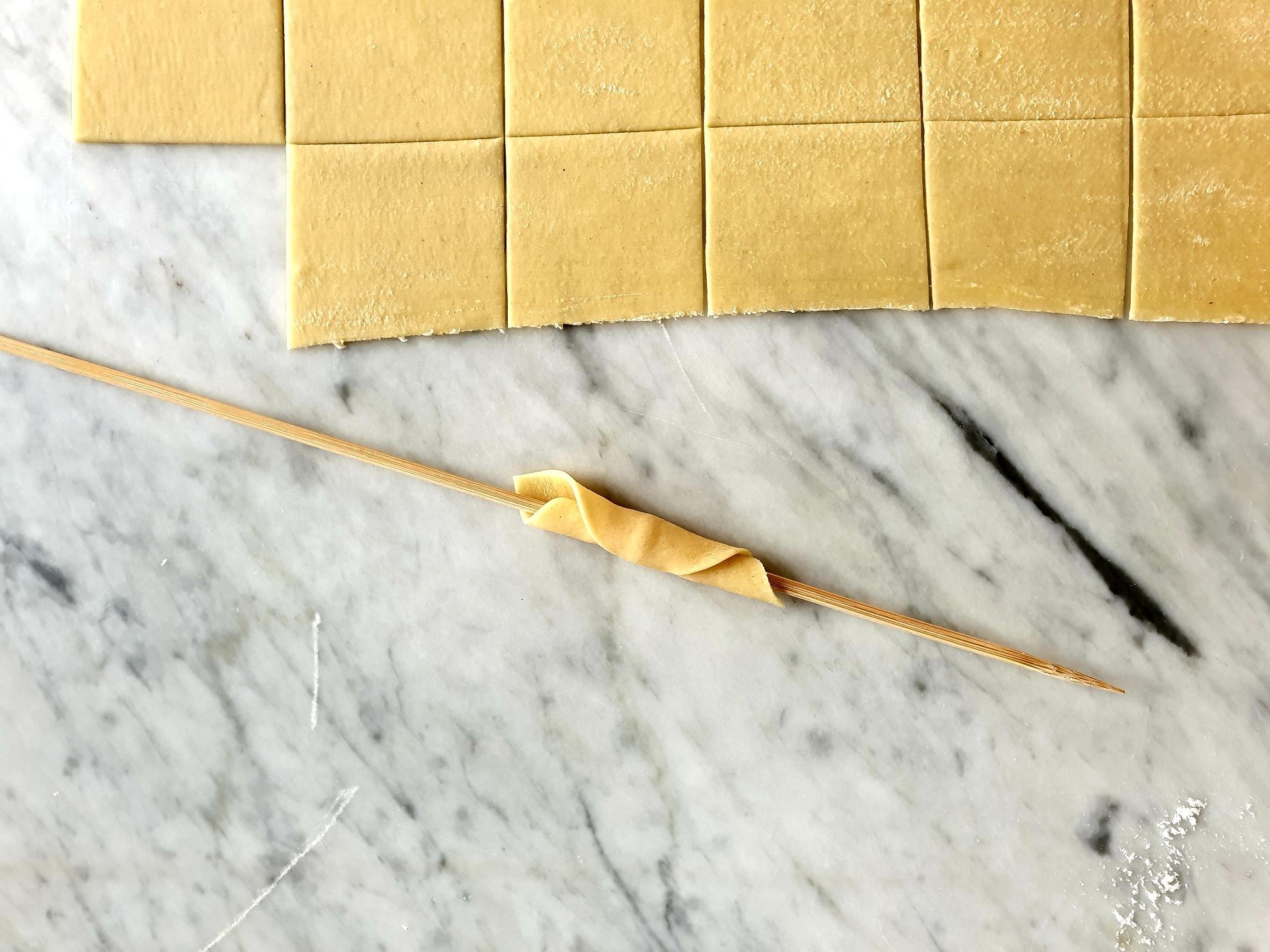
Take a wooden kebab stick (some prefer to use the handle of a wooden spoon) and place it on the edge of the pasta square.

View fullsize Fuzi 8.jpg
View fullsize Fuzi 9.jpg

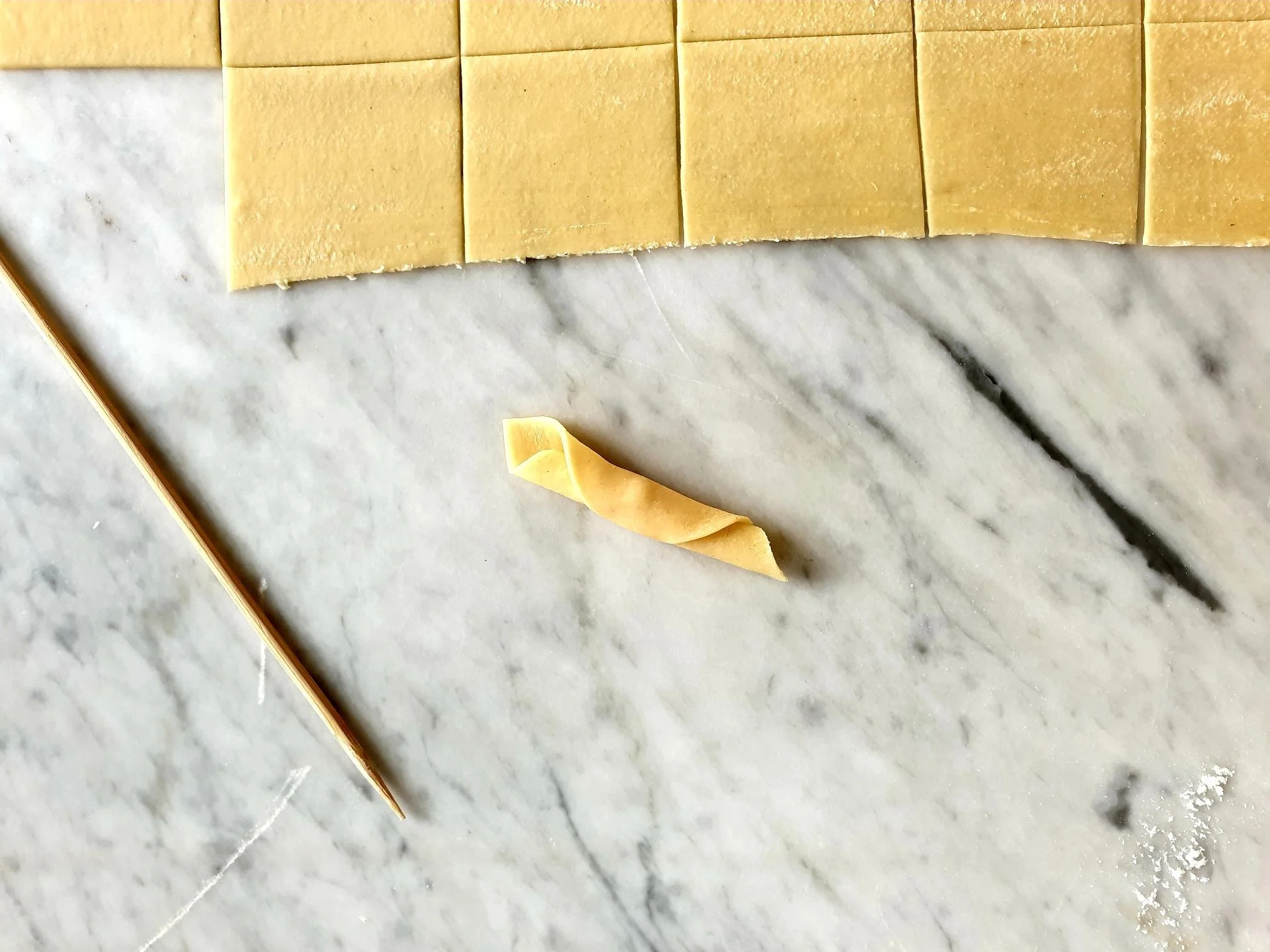
Gently roll the stick to get a shape of a fuži, then remove the stick.

View fullsize Fuzi 10.jpg
View fullsize Fuzi 11.jpg

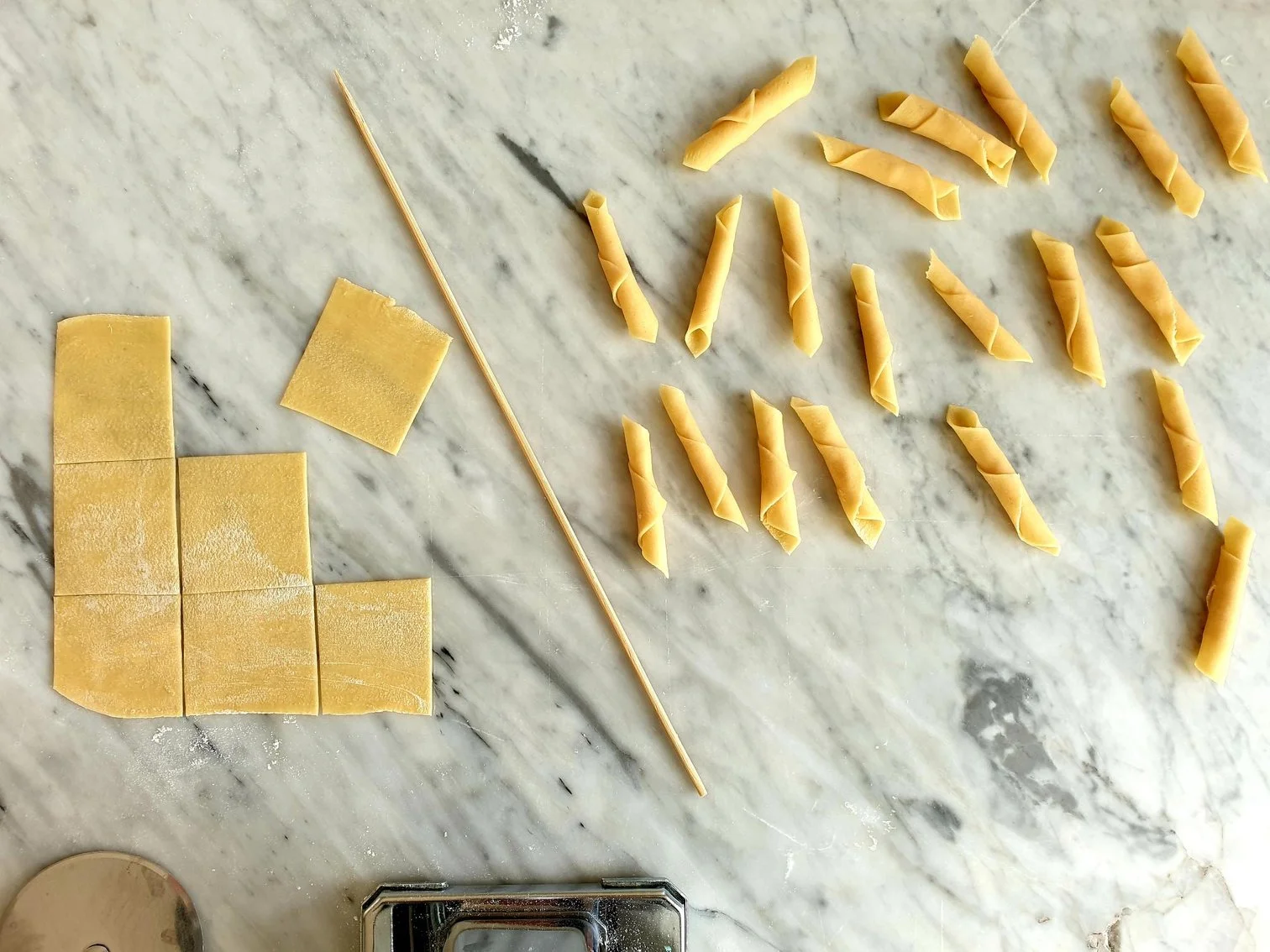
Repeat the process with other pasta squares (during this process try to avoid a lot of flour as this will prevent the opposite sides of the pasta square to stick together).

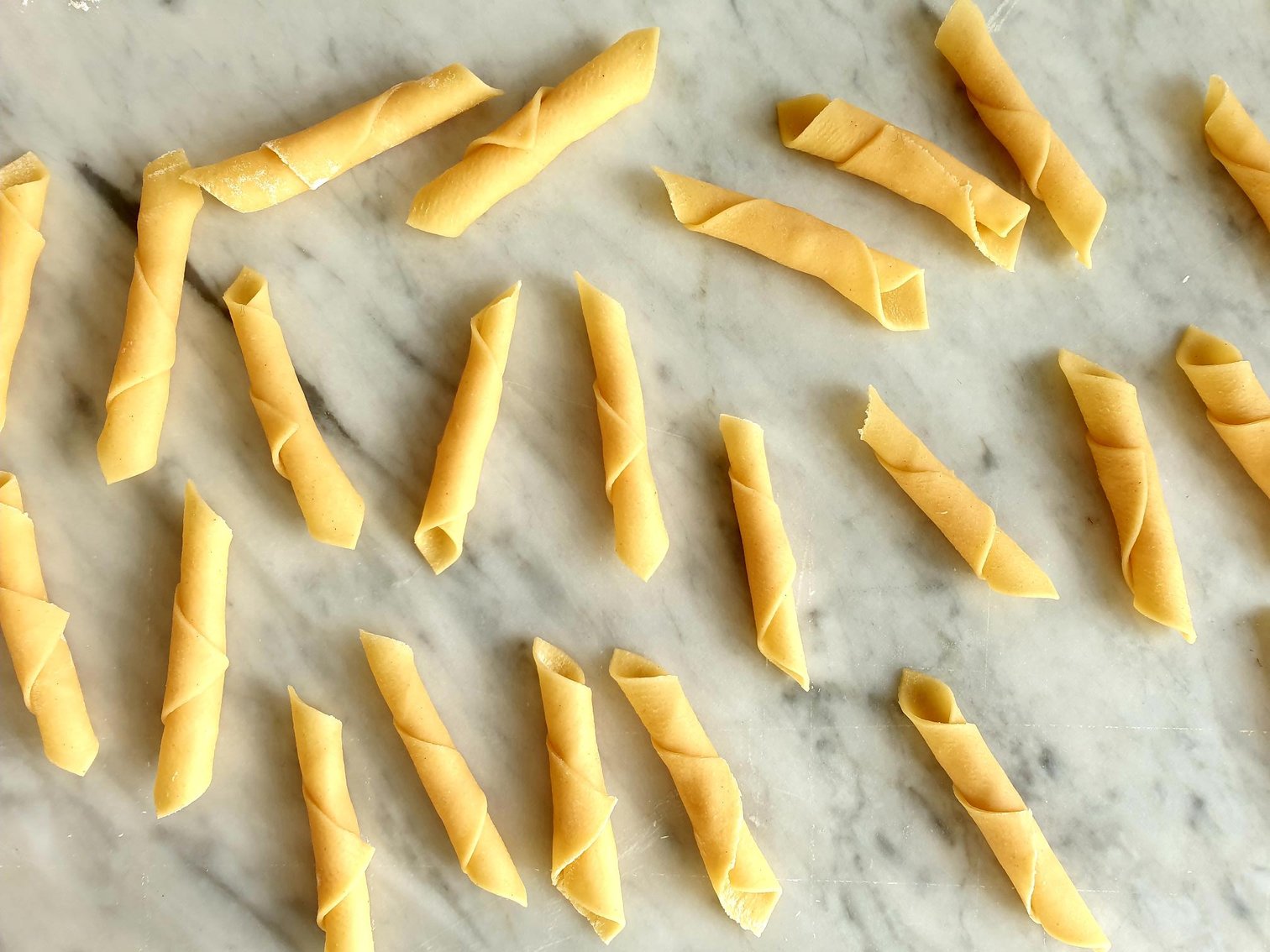
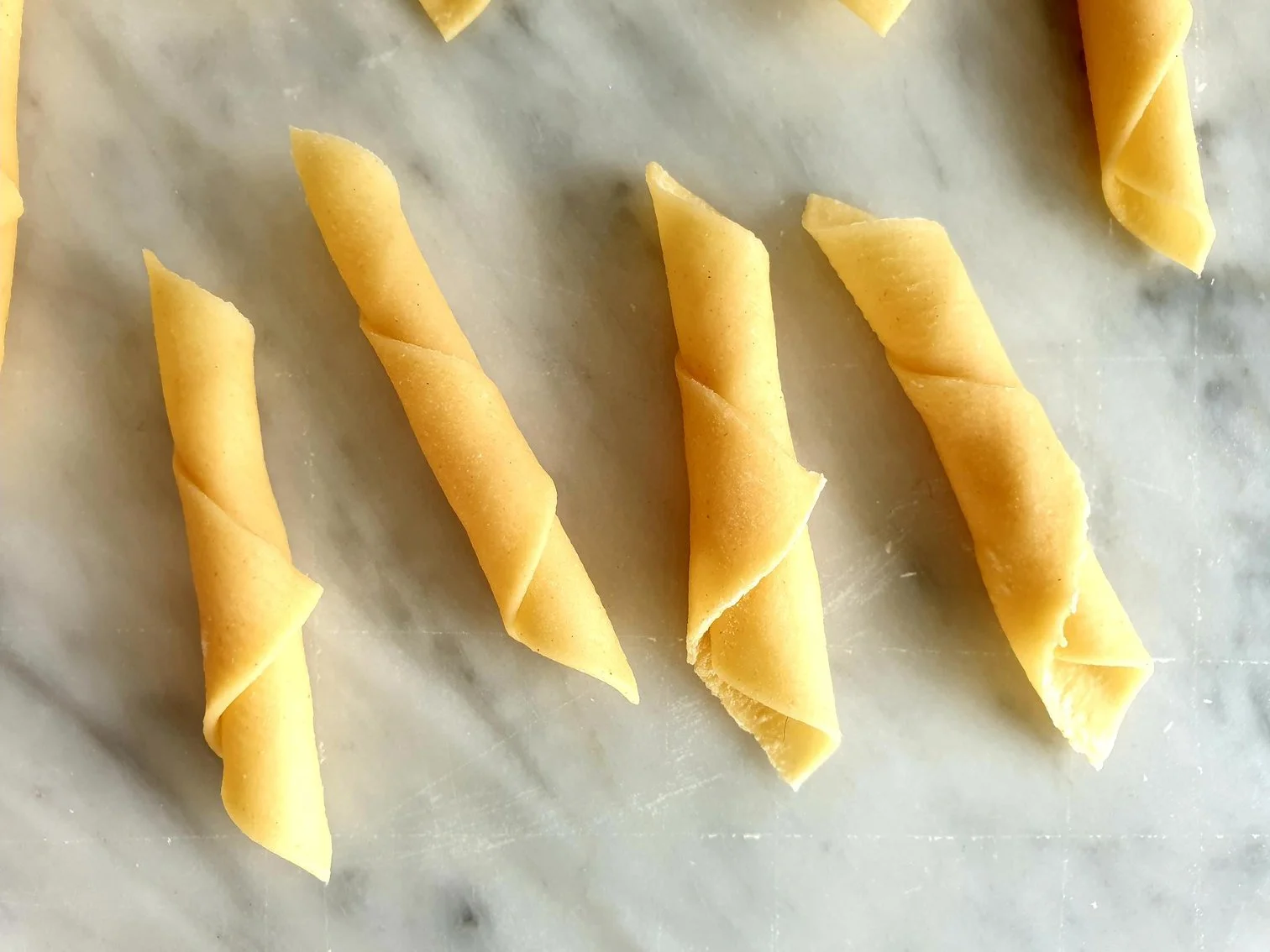
The idea behind shaping this pasta is that the opposite ends of the squares/diamonds are folded over each other, overlapping slightly, and sticking together forming a hollow shaped fuži.

Repeat the process with other pieces of dough.

Just a thought

Fuži can be made ahead of time and frozen. Make sure you place and spread the uncooked fuži in a single layer (so they do not stick together) on a floured baking tray (sheet), wooden board or similar. Place them in the freezer for at least 20-30 minutes, and once frozen separately, put them into freezing bags. When you want to cook them just drop them frozen directly into boiling salted water without defrosting them first.

You can also store already cooked fuži. Cook fresh pasta as soon you make it, drain it and place it in an airtight container, drizzle with a bit of oil and gave a container a little shake. Let it cool completely, cover with the lid, and store in the fridge for a couple of days (the pasta will turn slightly greyish in colour, do not get alarmed, this is perfectly normal).

You can also dry the pasta. Place freshly made fuži onto a floured baking sheet or wooden board and cover the shaped pasta with a clean kitchen towel and let them dry for a few days. Give fuži a gentle toss now and again. Store in a paper bag or in a jar.

November 10, 2023 /tina oblak
fresh pasta, egg based fresh pasta, handmade pasta, Handmade rolled pasta, pasta machine
Adriatic Recipe, All year round recipe, Celebratory dish, child friendly dish, child friendly meal, dinner, Easy recipe, Egg based pasta, entrée course, family friendly dish, family friendly meal, first course, first course dish, first course meal, Healthy, hearty dish, Istrian cuisine, Istrian dish, Istrian food, Istrian gastronomy, main course, main dish, Pantry, Pasta, Rustic dish, Slovenian cuisine, Slovenian food, Slovenian gastronomy, Starters, fresh pasta
Comment